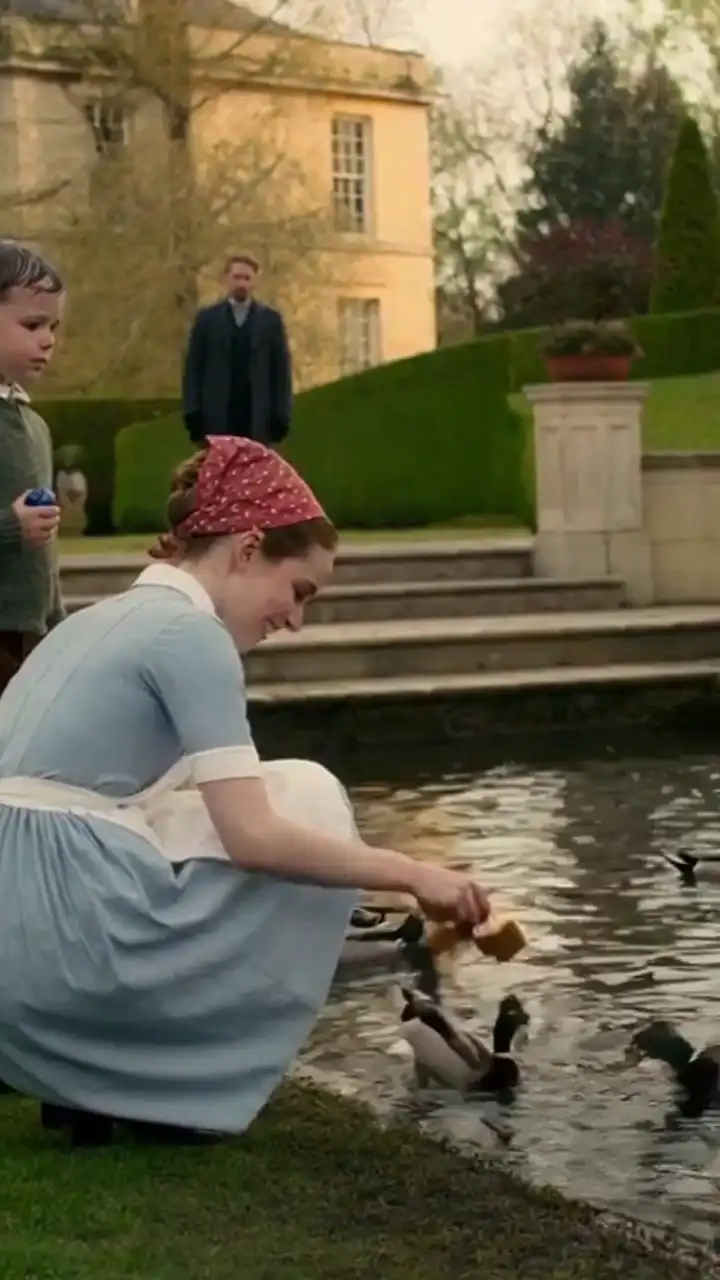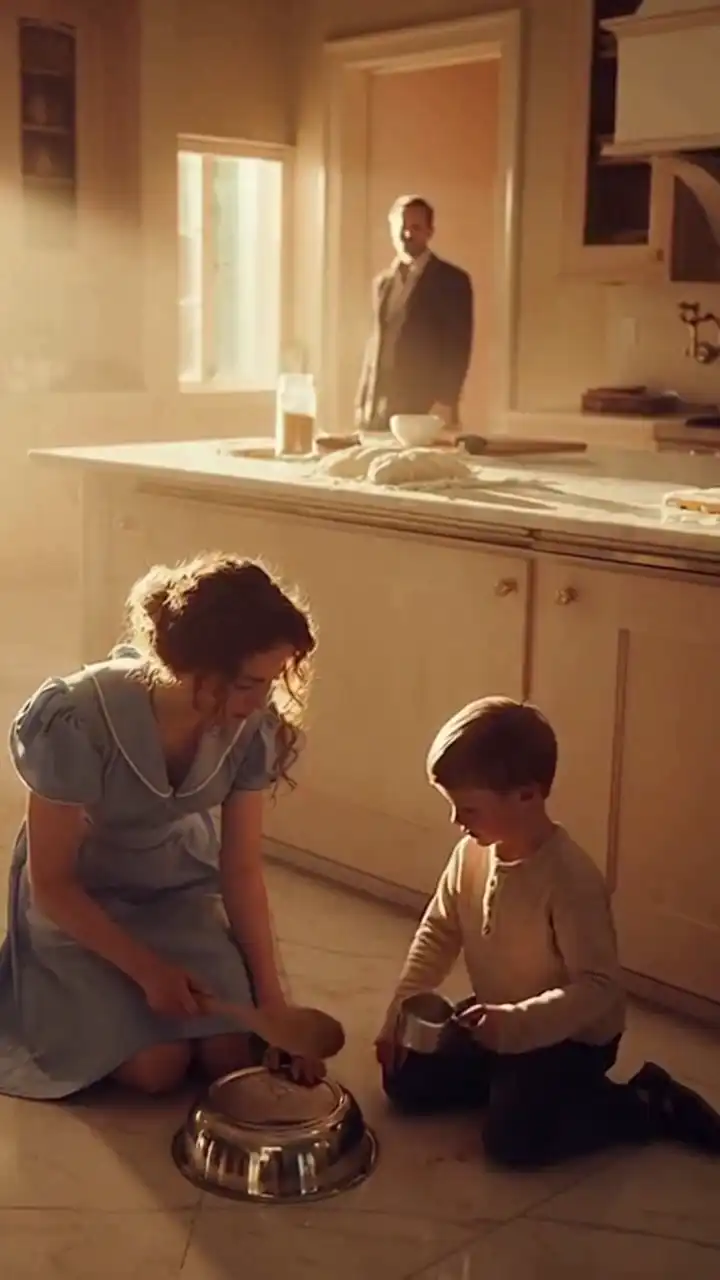
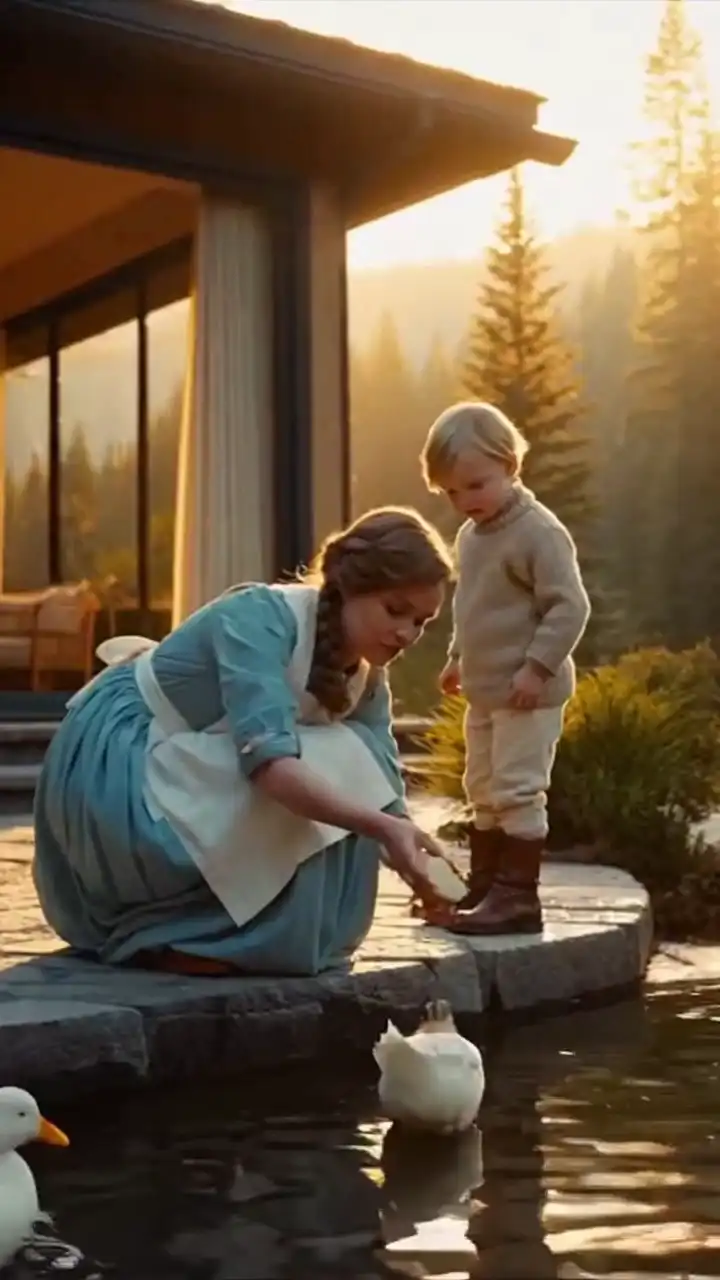
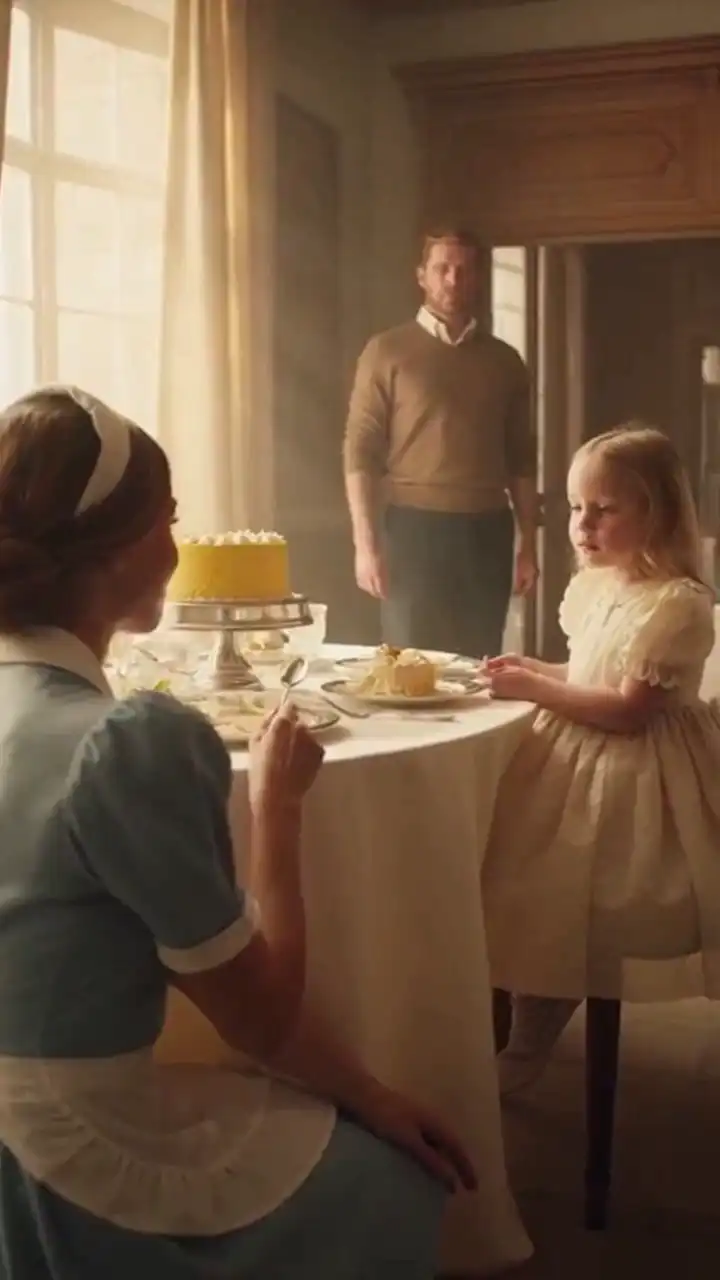

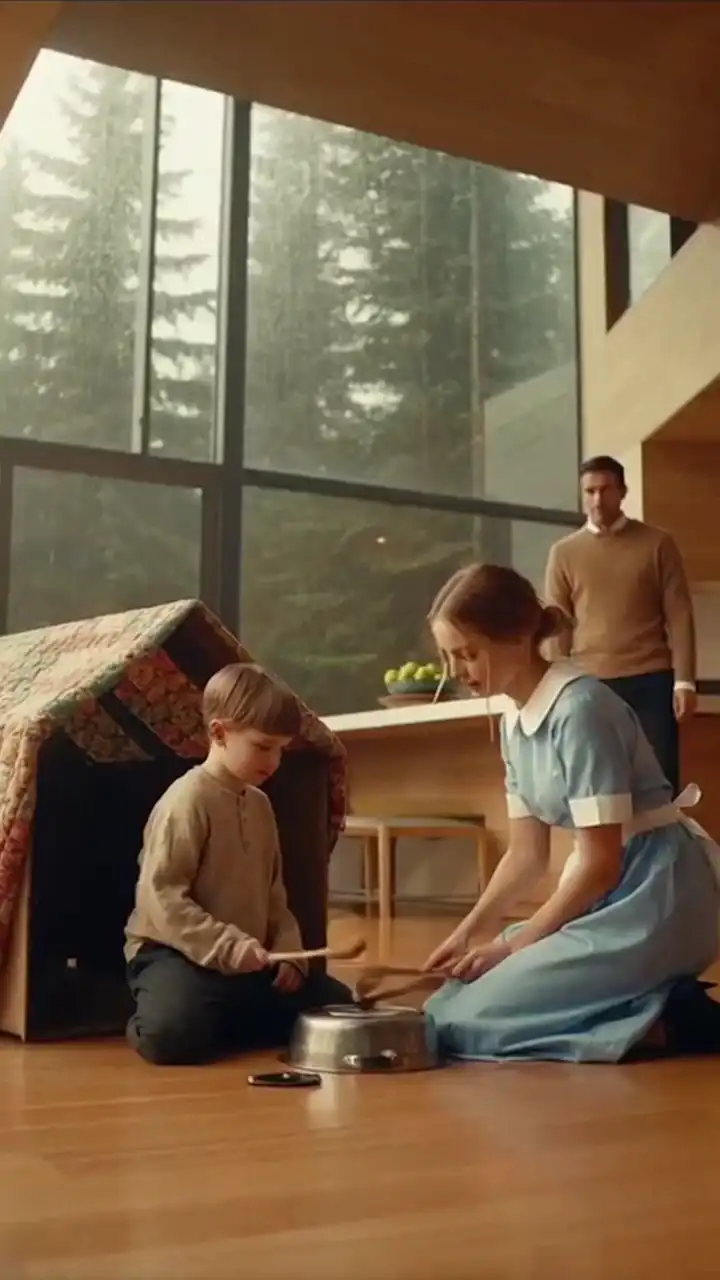
THE YOUNG NANNY BUILT A FORT OUT OF SHIPPING BOXES IN A MOUNTAIN MANSION—AND THE SILENT BOY LAUGHED FOR THE FIRST TIME SINCE HIS MOTHER DIED
The laugh ended as fast as it came, but it did not disappear from the room.
Noah stayed on his knees by the fort, breathing through his mouth, spoon still in his hand. His eyes were wide, not panicked, just lit from somewhere Ethan had not seen in months.
Marisol didn’t rush him.
She pushed the stockpot gently toward the opening and tapped a soft pattern from inside the cardboard. Three beats. Pause. Two beats.
Noah copied one of them.
Then another.
He missed the rhythm. Hit too hard. Stopped.
Ethan’s whole body reacted before his mind did. “Don’t overload him.”
Marisol looked up at him through the cutout window of a packing box. “He’s not overloaded. He’s listening.”
Ethan hated how certain she sounded in his house.
Noah made another sound then, not quite a word, more like a breath with shape. He crawled forward and ducked his head inside the fort.
The room went still.
Noah had refused enclosed play tents the therapists brought. Refused weighted blankets, beanbag corners, sensory swings, and every expensive structure designed for regulation. But now he was half inside a crooked box tunnel made from trash and shipping tape.
Marisol shifted backward to make space.
She did not touch him.
She did not praise him.
She just kept the rhythm small and steady, spoon to pot, pot to floor, cardboard wall to knuckle.
Noah followed.
For twenty minutes, the richest house on the mountain sounded like a kitchen in a crowded apartment. Hollow metal, cardboard rustle, little taps, a blanket sliding, one startled child breathing harder because he was still inside something new and had not been hurt by it.
Ethan stood there and felt a stupid, painful thought rise in his chest.
All this money, and he had filled his son’s world with objects nobody could live inside.
When Noah finally backed out of the fort, he did not melt down. He did not slap his ears or collapse into the floor. He sat beside the box and rested one hand on the taped seam like he was claiming it.
Marisol rose slowly and said, “Lunch?”
Noah did not answer, but when she carried the box flap into the kitchen to cut a “door,” he followed her.
The chef nearly dropped a tray.
Noah hadn’t voluntarily entered the busy kitchen since his mother died there in pieces of memory he could never explain. Not because she died in that room—she died on the highway during a snowstorm—but because the kitchen was where she used to sing over boiling pasta, where she used to hand him wooden spoons and let him drum on mixing bowls while she cooked. After the crash, every echo in that room became too much. Ethan had shut the room down emotionally without meaning to. Meals became quiet, plated, delivered.
Marisol did not know all of that yet. She only knew Noah paused at the threshold and stared at the row of hanging pans like they were dangerous and familiar at the same time.
So she lowered herself to his level and put a cookie sheet on the rug by the back pantry door.
Not in the center of the kitchen.
Not under bright lights.
At the edge.
Then she set out things that offended the entire logic of the estate: two measuring cups, dry beans in a jar, a whisk, cardboard tubes, tape, and a pair of plastic containers from takeout soup.
The chef cleared his throat. Ethan shot him a look, and the man retreated.
Marisol poured a small handful of beans into one cup.
Shake.
Pause.
Pour.
The sound was tiny.
Noah leaned in.
Again she said nothing. She just made the sound and set the cup down.
Noah reached for it with both hands.
The first spill happened instantly. Beans scattered over the slate floor.
Ethan flinched. So did two staff members.
Marisol smiled like the spill was part of the design. “That’s okay,” she said quietly, and began gathering them one by one.
Noah dropped to the floor to help.
That was the second shock of the day.
Not because he cleaned. Because he joined.
His fingers pushed three beans into her palm. Then six. Then he put one in the measuring cup and shook it near his ear. His mouth twitched.
By evening, half the lower level looked less like an architectural spread and more like a child had finally happened to it. The box fort had become a tunnel from breakfast room to den. The old quilt roof sagged. Beans hid under cabinets. A spoon was tucked into a potted fern. Noah had not spoken, but he had stayed near Marisol for four straight hours and twice made that rough, startled laugh.
Ethan should have been grateful.
Instead, control came roaring back.
At dinner, he asked for a meeting in his office.
The estate lights glowed against the mountains. His screens showed market reports and acquisition notes. It was the only room that still obeyed him.
“What happened today,” he said, “was unusual. I recognize that.”
Marisol stood by the door, hands clasped, waiting.
“But this can’t become chaos. Noah responds badly to inconsistency. You can’t just bring random noise and clutter into every room because you have a feeling.”
Marisol looked at the row of framed awards behind him. “It wasn’t random.”
Ethan’s jaw tightened. “Then explain it.”
So she did, plainly.
She said Noah watched hands better than faces because hands were safer.
She said he did not enter when adults called him to perform, but he drifted closer when action had rhythm and no pressure.
She said the expensive toys asked too much too soon. Push this button. Name this object. Match this shape. They all demanded a correct response.
“The boxes didn’t ask him to be correct,” she said. “They just let him come near.”
She told Ethan the kitchen sounds were familiar in a body-deep way. Not language. Not eye contact. Pattern. Repetition. Predictable noise made by a real person doing a real thing.
“He doesn’t need a bigger system right now,” she said. “He needs a place where he can join without failing.”
The words hit harder than Ethan expected.
Because failing was exactly what the whole house had become for Noah.
Every room measured what he would not do.
Say this. Eat this. Sit here. Sleep now. Look up. Answer. Transition. Tolerate.
Ethan had called it support.
Noah may have felt it as one long test.
Even then, Ethan could not fully let go. “I’m not paying someone to improvise her way through trauma.”
“No,” Marisol said. “You’re paying someone to stay in the room long enough to see how he already works.”
It should have made him angry.
Instead, it made him ashamed.
The next morning he almost canceled all of it anyway.
Noah woke at 4:12 a.m. screaming.
Not words. Just raw panic.
Storm wind hammered the pines outside. A delivery truck had arrived before dawn, and the reversing beep from the service road had cut through the dark. Noah was on the floor in his room, curled around his own ribs, forehead pressed to the rug, legs kicking the dresser.
The overnight nurse couldn’t calm him.
Ethan ran in, chest already tight, and did what he always did—dimmed lights, cleared the room, lowered his voice, tried to remove every variable.
It wasn’t enough.
Noah slapped away the weighted blanket.
He shoved a therapy pillow across the floor.
He bit the collar of his shirt and rocked so hard Ethan feared he would hurt himself.
Then Marisol came in barefoot, hair half-tied, carrying not a therapy bag but one of the cardboard tubes from the kitchen paper towels and the old quilt from the fort.
Ethan snapped, “No. Not now.”
She stopped, but only for a second. “Then watch.”
He should have thrown her out.
Instead he moved back because nothing he was doing was reaching his son.
Marisol sat on the floor several feet away, not facing Noah head-on. She draped the quilt loosely over two chairs near the wall, making a low sheltered corner instead of trying to touch him. Then she held the cardboard tube to her mouth and hummed through it.
The sound came out soft and strange, like wind trapped in a bottle.
Noah’s kicking slowed.
She hummed again.
Not loud. Not cheerful. Just steady.
Then she tapped the tube on the floor once, twice, once.
The same broken little rhythm from the fort.
Noah rolled enough to listen.
Marisol slid the tube across the rug. It stopped short of his hand.
He stared at it for a long time, breathing in ragged pulls.
Then he grabbed it and pressed one eye to the opening.
Marisol did the same with another tube she had tucked under her arm. Looking through one end, she made the room smaller. Simpler.
Noah’s shoulders dropped by one impossible inch.
He crawled under the quilt corner by himself.
That was the first real repair.
Not cure.
Repair.
A child in panic had found a way back through sound, structure, and a space small enough to trust.
Ethan sank onto the edge of the bed and put his face in his hands.
After Noah slept, Marisol finally got the backstory in pieces from the housekeeper and the family doctor.
On the day of the crash, Noah and his mother had been baking in the kitchen before she left to drive into town. She’d let him stir batter with a wooden spoon while music played. There had been flour on the counter, cardboard from groceries still by the mudroom, and a quilt in the backseat because they were supposed to picnic after errands if the weather held.
The state trooper came before she came home.
After that, Ethan erased mess as if cleanliness could keep the rest of the world from breaking in.
The chef cooked in silence.
The music stopped.
Boxes were discarded immediately.
Everything soft, noisy, and unfinished vanished.
No wonder Noah reacted to cardboard, kitchen tapping, and quilts as if buried doors were opening.
They were.
The next days were not miraculous. They were difficult in a different way.
Noah now wanted the fort every morning and grew upset if staff moved it.
He tolerated Marisol but not sudden substitutions.
He still would not respond to direct questions from most adults.
He still ate only five safe foods.
He still covered his ears if the vacuum started.
But he began to do tiny new things.
He waited by the pantry for the bean cups.
He handed Marisol tape without looking at her face.
He pushed a box across the floor until it bumped her knee, then waited for her to push it back.
He stood beside her while she washed strawberries and tapped the colander with one fingernail.
Once, he let Ethan sit on the far side of the fort while Marisol drummed the “welcome” pattern.
That felt bigger than any doctor’s report.
Ethan tried to participate the way he knew how at first—efficiently and badly.
He ordered custom sensory tunnels from a specialist in California.
Noah ignored them.
He had the maintenance team build a polished cedar play structure in the den.
Noah cried when they removed the cardboard to make room for it.
Marisol said nothing while the workers carried the cedar piece back out.
That silence hurt worse than criticism.
“You think I ruin everything,” Ethan said later, standing in the kitchen after staff had gone.
Marisol was rinsing measuring cups at the sink. “No. I think you try to solve his fear before you sit inside it with him.”
He stared at her.
She went on because somebody had to. “Everything here gets upgraded the second it matters. The boxes worked, so you replaced them. The noise helped, so you wanted equipment. The fort calmed him, so you made it expensive. But maybe the point is that he trusts what doesn’t ask anything from him.”
The words lodged in him like splinters.
That night, Ethan walked through the dark lower level and saw the place the way Noah might. Vast rooms. High ceilings. Perfect surfaces. Every object chosen. Nothing accidental. Nothing forgiving.
A child had to perform correctly to belong there.
The next afternoon, Ethan did something that made the housekeeper stop in the hallway and stare.
He came home early, took off his watch, sat on the floor in dress pants, and asked Marisol, “Show me the rhythm.”
She blinked once, then handed him a wooden spoon.
Noah was by the breakfast room windows, turning a strip of tape over and over between his fingers.
Marisol tapped the stockpot. Two beats. Pause. One beat.
Ethan copied it.
Too sharp.
She shook her head. Softer.
He tried again.
Noah looked up.
Only for a second.
But he looked.
Ethan’s throat closed.
He had been giving commands for months. This was the first time he had offered an answer in Noah’s language.
For the next week, no great speech happened. No one announced healing. There were no cinematic declarations.
There was repetition.
Fort in the morning.
Bean cups at noon.
Kitchen tapping before dinner.
Quilt corner for storms.
And Ethan learning the humiliating skill of being present without taking over.
He stopped correcting every method he did not invent.
He let the lower breakfast room stay cluttered with boxes.
He told the chef to cook with sound again.
At first the man looked confused. Then, one night, he chopped onions while jazz played low from an old speaker. Noah stood in the doorway, tense but still there.
Marisol baked cornbread from a cheap mix because it came in a box easy to tear open.
Noah watched the flap bend.
He touched the powder on the counter with one finger.
Then, for the first time, he reached for the spoon and stirred.
Ethan had to look away.
The estate manager found him in the hall a minute later, pretending to answer an email while his eyes were wet.
Control had built him an empire. It had also built walls inside his own house that his son could not cross.
A week after the first fort, Ethan got a call from the private school counselor pushing for a specialized residential program. Quiet campus. elite support. round-the-clock structure.
Old Ethan would have signed the papers just to feel action happening.
Instead he asked one question: “Would they let him drag a cardboard box into the kitchen and do nothing useful with it for an hour?”
There was a pause on the line.
“That wouldn’t be part of the therapeutic model,” the counselor said.
Ethan thanked her and declined.
That evening he found Marisol repairing the fort roof with fresh tape. Noah sat inside, pushing a measuring cup through the tunnel and pulling it back.
“I’m keeping him home,” Ethan said.
Marisol nodded once, not triumphant. Just steady. “Okay.”
“You were right,” he added, and the sentence clearly cost him something.
“Noah was right,” she said. “He kept showing it. People just kept talking louder than he could answer.”
Those words stayed with him.
As Noah improved by grains instead of leaps, the rest of the house shifted around that truth. Staff stopped calling the box fort “that mess” and started stepping around it carefully. The chef saved oatmeal canisters and cookie tins for sound play. The housekeeper found a stack of old blankets in storage and asked if she should wash them “for Noah’s camp.”
Even the mountain house itself changed. One terrace door stayed cracked at lunch so pine air could come in with kitchen sounds. A corner of the mudroom became a place for safe scraps, tubes, paper, string, and things no decorator would approve. The estate was still rich. Still guarded. Still vast. But one section of it now belonged to a child in a way money had never managed.
And Marisol’s place changed too.
Not all at once. Not in some fantasy jump.
But Ethan raised her salary without making it charity. He paid for her to resume the early childhood education program she had paused. He stopped introducing her to professionals as “the nanny” in that flattening way people do when they mean servant. He said, “This is Marisol. Noah works with her.”
It mattered.
One Saturday, two months after she arrived, the first snow of the season came early. Fat flakes hit the long glass walls, and the whole mountain went white by afternoon.
Noah spent the morning in the fort, quieter than usual.
No meltdown. No obvious distress. Just a shut door sliding partway down again.
Ethan felt the old fear rise fast. Had they lost it? Was the progress gone? Had all of this only been a brief opening?
He started listing possibilities aloud—weather pressure, sensory strain, routine disruption, blood sugar, overstimulation.
Marisol listened for a few seconds, then crossed the room, picked up a flattened cereal box, and tore a long strip from the cardboard.
The sound was dry and clean.
Noah’s head turned.
She tore another strip and folded it into a crooked little roof.
Then another.
Soon she was building tiny houses instead of one fort. A whole cardboard village across the rug. Tunnels between them made from paper towel tubes. Bottle caps for doors. A blanket hill. A spoon bridge.
Noah watched.
Ethan held his breath.
Marisol placed one tiny cardboard house near Noah’s socked foot and slid a small wooden peg figure toward it. Not a purchased toy. Just a plain peg the chef had found in a junk drawer.
Noah picked it up.
Set it down.
Moved it inside the little house.
Then he looked, not at Marisol, but toward Ethan.
It was not full eye contact. Not long. But it was deliberate.
Ethan sat slowly on the floor.
Marisol made room without comment.
Noah pushed the peg through the tube tunnel and out the other side. Then he did something so small another person might have missed it.
He nudged the second peg toward his father.
Invitation.
Ethan’s hand shook when he took it.
He moved the peg too fast. Noah frowned.
Marisol murmured, “Slower.”
He tried again.
The peg crossed the spoon bridge.
Noah’s mouth twitched.
Then came that laugh again, rough at first, then brighter.
Not as shocked as the first one.
Freer.
It hit Ethan like a blow.
He laughed too, but with tears all over his face because now he understood what he was being allowed into.
Not recovery.
Relationship.
That night, after Noah fell asleep under the old quilt with one cardboard tube still in his hand, Ethan stood on the back terrace with Marisol. Snow covered the railings. The mountain was silent in a softer way than before.
“I don’t know what this becomes,” he said.
It was the most honest sentence he had spoken in months.
He didn’t know if Noah would speak in full sentences soon or late or differently.
He didn’t know which therapies would help now that the house had finally started listening.
He didn’t know what role Marisol would hold in a year, except that it would never again be small.
He didn’t know how to repair all the damage that had been done by fear disguised as management.
But he knew the direction had changed.
Inside, through the window, the breakfast room was still cluttered with taped boxes and cheap cups and blankets no designer would photograph. It looked almost foolish in a mansion built for magazines.
It also looked alive.
Marisol folded her arms against the cold. “It becomes tomorrow,” she said. “Then the day after that.”
For once, Ethan didn’t answer with a plan.
He just looked through the glass at the crooked fort, the tiny cardboard houses, the spoon on the floor where his son had left it, and believed that hope did not have to arrive polished to be real.
The mountain house stayed imperfect after that.
Noah still had hard days.
Ethan still slipped into control sometimes.
Marisol still had to remind him that progress was not a straight line and trust could not be scheduled.
But now there was laughter in the kitchen some evenings.
There were rhythms tapped on pots.
There were boxes saved instead of thrown out.
And there was a boy who, when the world became too large, knew there might be a way back through a blanket, a spoon, a strip of cardboard, and the patient person waiting on the other side.
Disclaimer: Mention of any brand or trademark is for identification only and does not imply partnership or endorsement
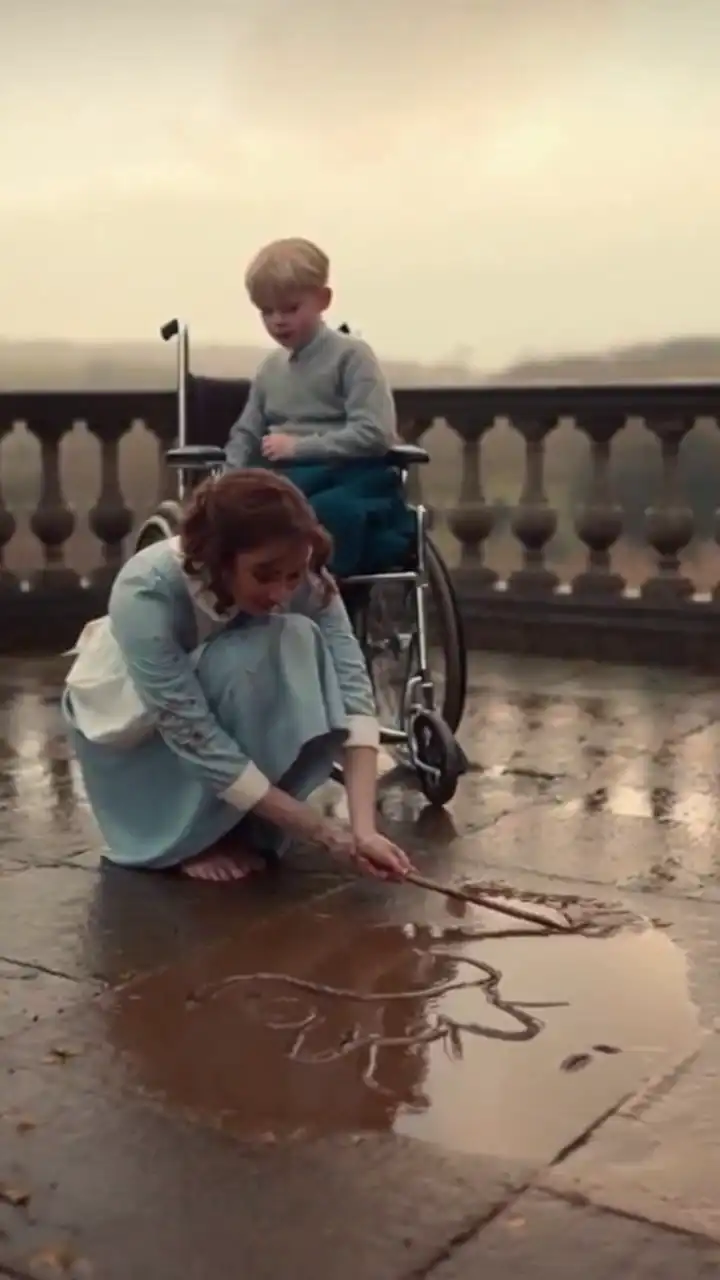
WHEN THE BILLIONAIRE’S SON DRAGGED HIS USELESS LEGS INTO THE MUD FOR THE FIRST TIME, HIS FATHER’S GIRLFRIEND SCREAMED FOR THE NANNY TO STOP
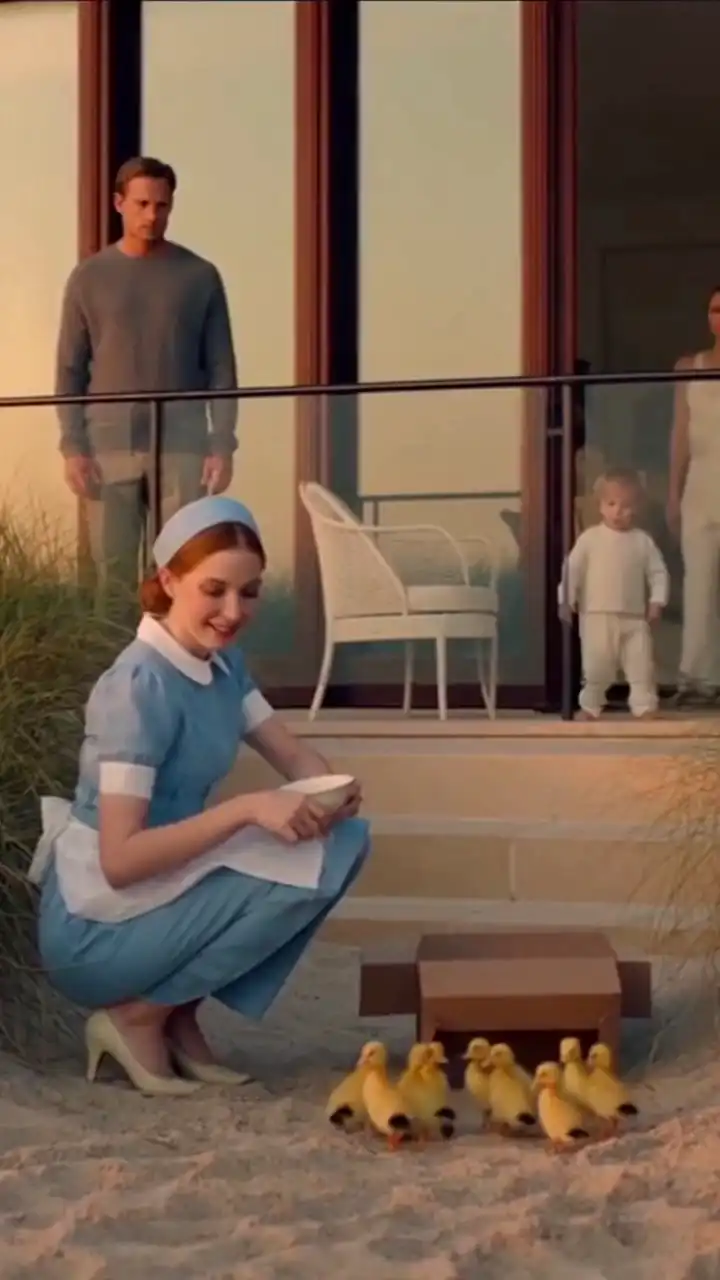
THE NANNY WHO BROUGHT DUCKS TO THE OCEAN HOUSE AND MADE A CHILD WALK TOWARD LIFE
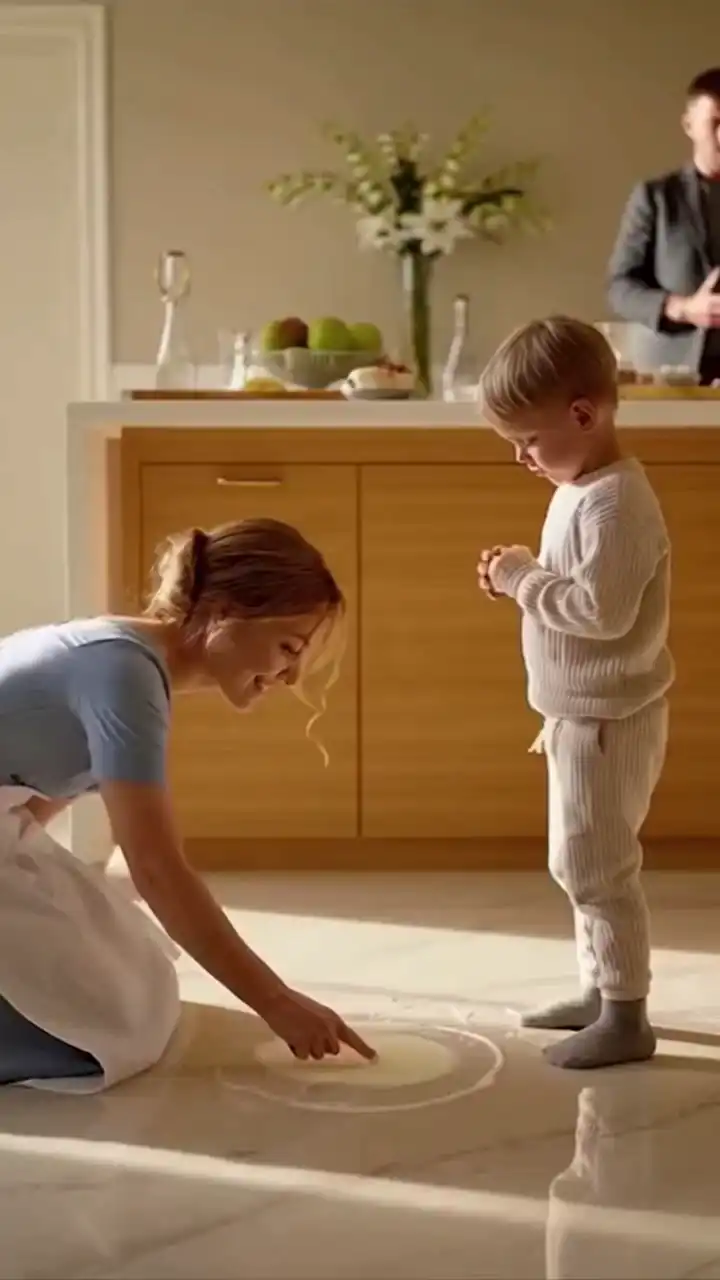
WHEN THE RICHEST MAN ON THE HILL HIRED THE WRONG NANNY, HIS SILENT SON CRAWLED ACROSS THE FLOOR FOR HER