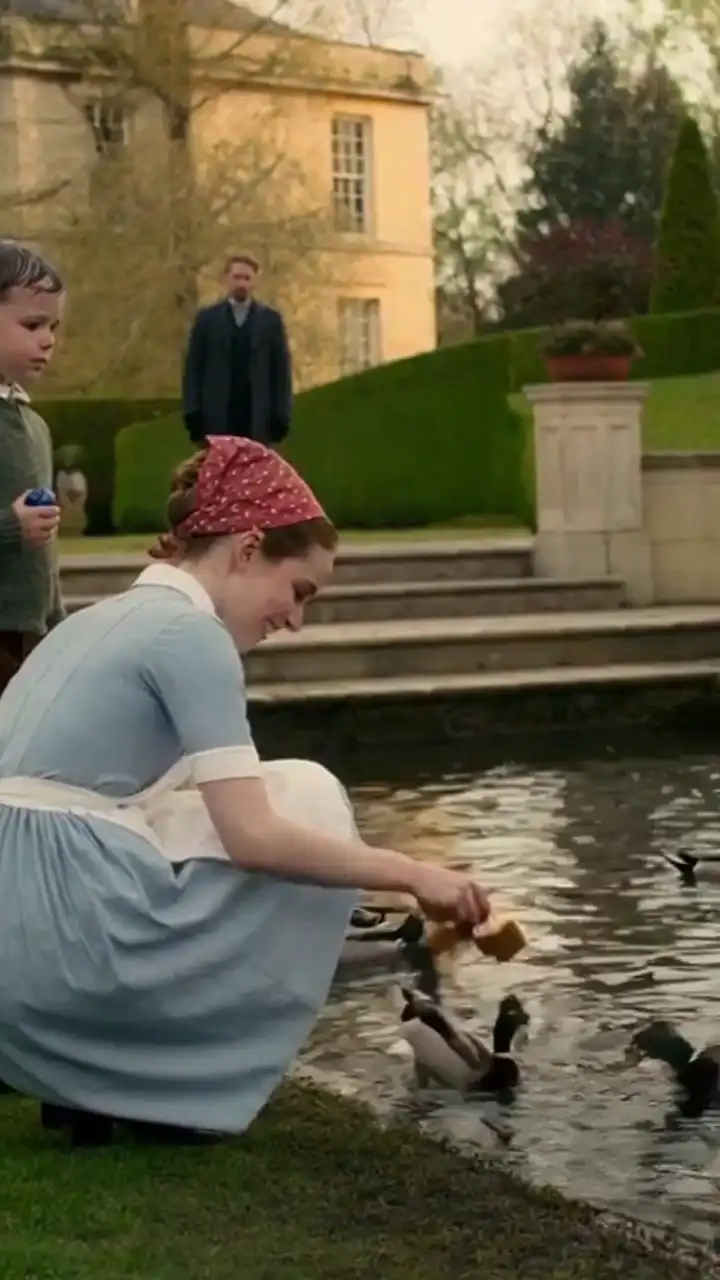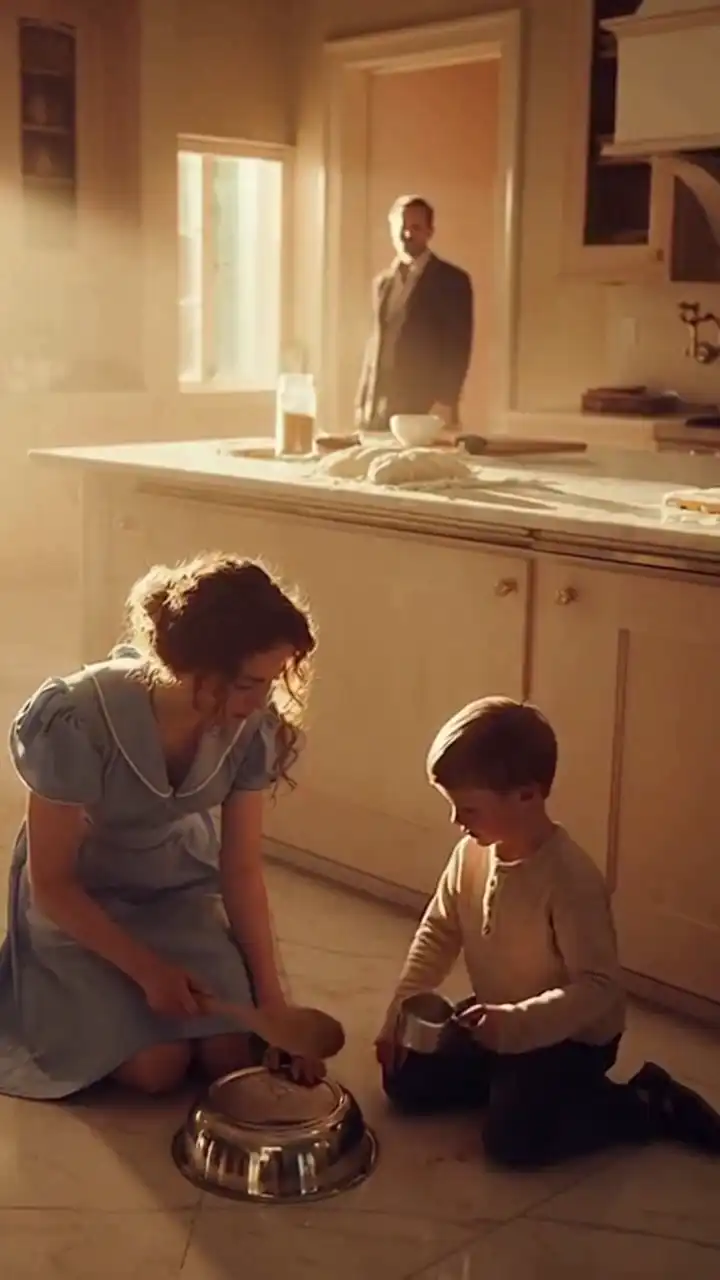
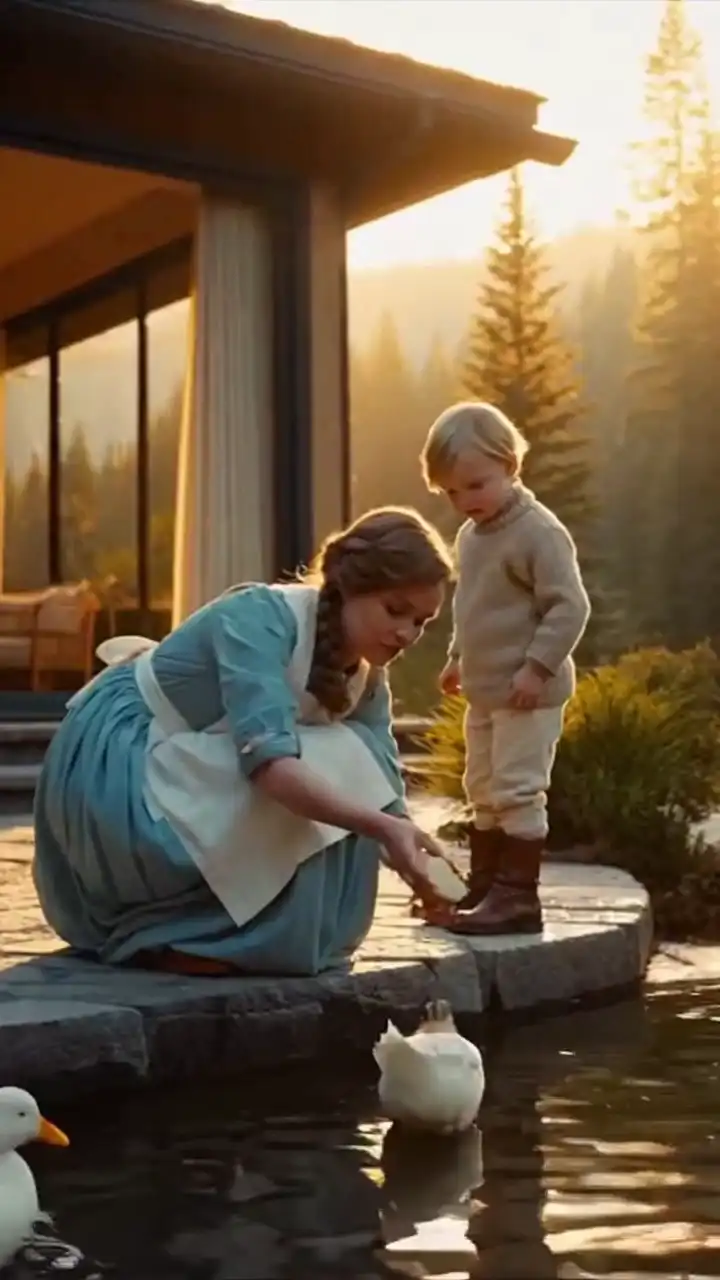
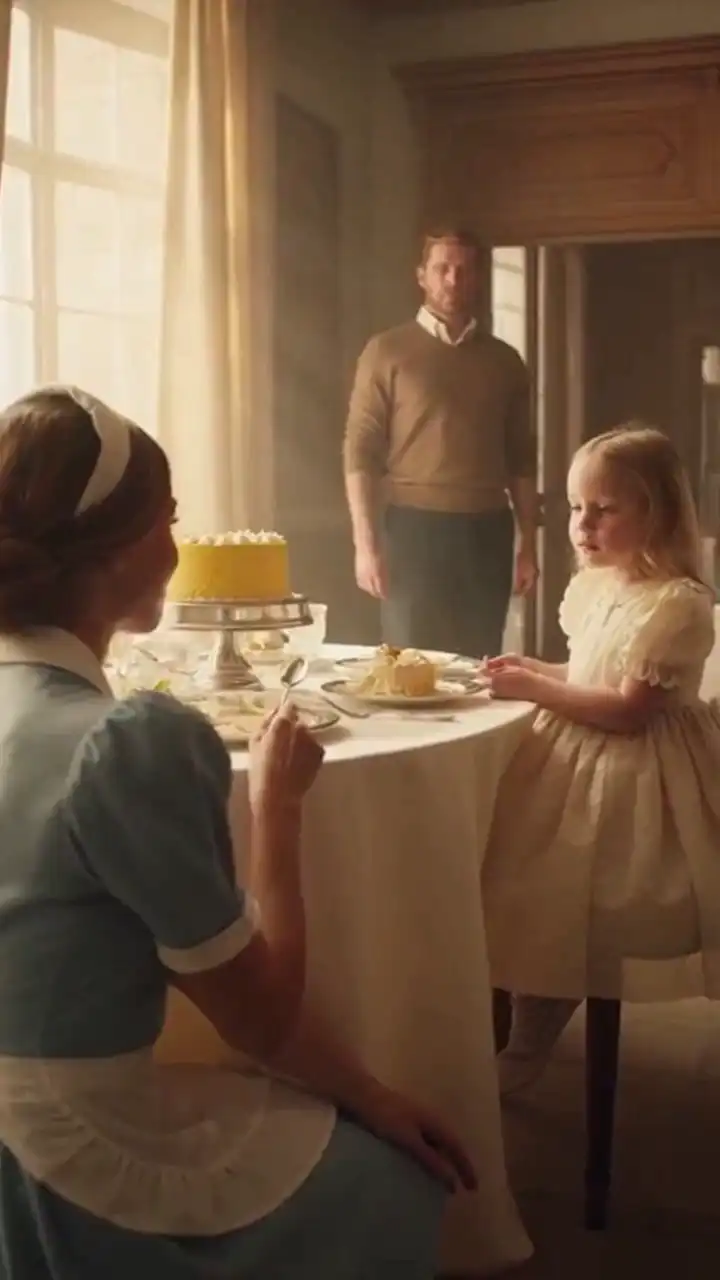


SHE PUT A SHOVEL IN THE BOY’S HAND ON A PENTHOUSE TERRACE, AND THE CHILD WHO WOULDN’T MOVE DRAGGED HIMSELF TOWARD DIRT FOR THE FIRST TIME
He stayed there on the terrace floor, breathing hard, both palms smeared brown.
Emma slid the little shovel toward him without praise, without drama, like this was the most normal thing in the world.
Noah looked at the shovel. Then at the planter. Then he wrapped his fingers around the handle.
Chloe’s voice cut through the moment. “This is dangerous.”
Evan finally moved, but not toward his son. Toward the edge of what he thought he understood.
Noah had not moved like that for doctors. He had not moved like that for reward charts, robotic exercise games, or the child psychologist who charged more per hour than some people made in a week. But now he was digging at wet soil with a plastic shovel while city wind pushed through the open terrace.
Emma kept her voice calm. “If he’s choosing it, let him finish.”
“He could fall,” Chloe snapped.
“He’s already on the ground,” Emma said.
That shut the terrace up for one hard second.
Noah scraped at the soil. The movement was clumsy and weak, but it was movement with purpose. He dug one shallow hole, then another. His shoulder trembled with the effort. Emma steadied the planter box, not him.
Evan crouched down at last. “Noah.”
The boy didn’t look back.
That hurt more than if he had cried.
Because Evan suddenly saw how many months his son had been looked at, managed, lifted, measured, instructed, and protected without being allowed to want anything.
Emma pressed a bulb into Noah’s dirty palm. “Needs a home.”
Noah stared at it, then shoved it into the hole with both hands.
His breathing changed after that. Not easier. More engaged. Like his body had remembered it belonged to him.
Chloe folded her arms tight. “This is exactly why family shouldn’t be hired. There are boundaries for a reason.”
Emma still didn’t answer her.
She looked at Noah. “Now cover it.”
He did.
The next morning, Evan canceled a product summit in San Francisco because Noah was already waiting by the terrace door.
Waiting.
Not slumped in the chair facing the window. Not turning away. Waiting.
Emma had tied a bandana around her hair and lined up tools from a discount store: hand rake, spray bottle, seed trays, twine. Nothing expensive. Nothing approved by specialists. The housekeeper looked horrified. The chef looked amused. Chloe looked insulted that this chaos was now recurring.
Noah wanted the spray bottle first.
He could barely squeeze it. Water dribbled sideways. His hand slipped twice. Emma just repositioned the bottle and let him soak her shirt by accident. She laughed. Not the soft fake laugh adults use to encourage children. A real one.
Noah blinked at her.
Then his mouth twitched.
Evan missed it the first time because he was staring too hard. Emma saw it and pretended not to. She just handed Noah another pot.
That was her method. No spotlight. No applause. No turning every movement into a medical event.
By the third day, Noah had started leaning forward before she even asked. By the fifth, he would reach for the little trowel himself. By the seventh, he hated being carried to the terrace if he thought he could get there another way.
The physical therapist came for a scheduled session and stood in the doorway watching Noah drag himself from the chair to the planter bench so he could pat down fresh soil around basil seedlings.
The woman lowered her clipboard.
“How often has he been initiating transfers?”
Evan answered, “Since the dirt.”
She thought he was joking until she saw the terrace.
The therapist stepped into the scene the way people do when they realize their language has failed them. “What exactly are you doing here?”
Emma rinsed a root ball in a bucket. “Giving him a reason to move.”
It sounded too simple. Evan had spent a year paying for complex.
The therapist knelt beside Noah and watched him work. “He’s weight-shifting naturally. Reaching across midline. Stabilizing through the left side.” She looked up at Evan. “He’s not responding to prompting. He’s responding to purpose.”
That sentence lodged in Evan like a blade.
Purpose.
Not exercises. Not goals printed on charts. Not optimized routines.
Noah had once gardened with his mother on this same terrace. That came back to Evan in pieces he had been too brutal with himself to touch. A yellow watering can. Dirt under her nails. Noah as a smaller child laughing when they planted strawberry starts. Then the accident on the wet highway. Then hospitals. Then everyone rushing to save the child’s body while his will seemed to slide somewhere no one could reach.
The terrace had been closed after the funeral because every plant there reminded Evan of her.
He had called it protecting Noah.
Maybe he had only been protecting himself.
That night Chloe came into Evan’s office with a glass of wine and closed the door behind her.
“This has gone too far,” she said.
Evan kept reading a therapy update but didn’t process a word. “What has?”
“She has turned your home upside down. The staff answer to her now. There’s dirt in the kitchen sink. Noah is crawling on stone. You skipped work because she has you convinced this is some miracle.”
He looked up. “I skipped work because my son wanted to do something.”
Chloe’s jaw tightened. “And what about next week? Next month? Is she moving in permanently? Is that where this is going?”
There it was. Not cleanliness. Not safety.
Position.
Chloe had been there during the dead months, when grief made Evan easy to organize. She fit the penthouse well. She knew which schools took donations, which gallery dinners mattered, which wines impressed investors’ wives. She had pictured a future here. Maybe not cruelly. But clearly.
Emma was a problem because Noah reached for her without effort.
Evan set the papers down. “This isn’t about you.”
“It became about me the second a girl in bargain sneakers started replacing everyone’s role in this house.”
He didn’t defend Emma. Not then. He just said, “No one had a role that was helping him.”
Chloe left angry enough to be quiet.
The real fight came two days later.
Emma had spread newspaper over the terrace tiles and brought out broken ceramic pieces for drainage, packets of herb seeds, and a long shallow planter. Noah was determined to fill it himself. That meant scooping dirt with a metal cup because his grip was still weak.
He spilled most of it.
Emma let him.
Chloe stepped outside in cream silk and saw dirt splashed over the cuff of her pants. “That’s enough.”
Noah flinched so hard he dropped the cup.
Emma turned. “Please don’t do that.”
“Don’t do what? Speak in my own home?” Chloe snapped. Then she looked straight at Noah and said, too sharply, “You do not belong on the floor.”
The words hit the air like glass.
Noah went still. Completely still.
The old stillness. The frozen one.
Evan had walked onto the terrace just in time to see it happen. He saw Noah’s fingers curl inward, shoulders locking, eyes dropping. He saw Emma’s face change.
She didn’t argue first. She moved.
She sat down on the dirty floor herself.
Not crouched elegantly. Sat.
She picked up the spilled cup, filled it from the soil bag, and dumped half of it into her own lap. “Well,” she said lightly, “too late for dignity now.”
Noah looked at the dirt on her jeans.
Emma scooped another messy cup and deliberately missed the planter again. Soil scattered across the newspaper.
Still Noah watched.
Then she reached for a broken piece of ceramic from an old pot. The edge was painted blue. She brushed it clean with her thumb. “This one cracked in the cold,” she said. “Still useful.”
She pressed it into Noah’s hand.
Repair trigger. Not from a speech. From an object.
She brought out a small tube of strong garden glue and a chipped clay bird that had broken from one of the old planters years ago. “Want to fix this before we plant?”
Noah stared at the clay bird. Its wing had snapped clean off.
His mother had loved little useless things like that. Evan knew because he had once complained they cluttered the planters.
Emma lined up the broken pieces on the newspaper. “Broken doesn’t mean trash.”
Chloe laughed under her breath. “This is manipulative.”
But Noah’s hand moved.
Slowly, shaking, he reached for the bird’s wing.
Emma guided the glue into his hand. He squeezed too hard. Glue oozed over both their fingers. Emma didn’t wipe it off. She held the bird still while Noah pushed the wing into place with both thumbs, mouth set tight in concentration.
The tiny repaired bird sat crooked.
Emma smiled at it like it was perfect.
Then she planted it at the edge of the herb box.
Noah stared at it for a long moment. Something in his face loosened. He grabbed the dirt cup again.
One scoop. Spill.
Second scoop. Better.
Third scoop. Into the planter.
Evan watched his son come back in real time.
Then Noah did something even stranger.
He turned away from Emma and looked directly at Chloe.
It wasn’t affection. It wasn’t even forgiveness. It was a child seeing, maybe for the first time since the accident, who made him shrink and who made room.
Then he took the cup and pushed it toward Emma, asking without words for more.
Chloe understood exactly what she had lost in that second. Not a contest. Legitimacy.
“Evan,” she said sharply, “if this is what you want your life to become, say it.”
He looked at the terrace. At the dirt. At the repaired clay bird. At his son working with a locked seriousness no clinic had ever gotten from him.
Then he looked at Chloe and answered honestly for the first time in a year.
“I want my son back more than I want this place to stay polished.”
She went pale. “That’s not an answer.”
“It is.”
She left before dinner. Not dramatically. Worse. Controlled. She called for the elevator, collected the handbag she always set on the same console, and did not come back the next day.
The penthouse felt different immediately.
Not happier. Truer.
Without Chloe’s tight order around it, the apartment stopped pretending to be untouched. Soil stained a towel. Seed packets gathered on the counter. A watering can sat by the terrace door. Noah’s chair stopped being parked in decorative corners and started being left wherever he had last chosen to get out.
Evan began coming home earlier.
At first he hovered. Then Emma put him to work.
“Hold this tray.”
“Open that bag.”
“No, not like a meeting. Like a person.”
He would have found that insulting from anyone else. From her, it landed.
He learned Noah moved more when no one was watching his face for signs of effort. He learned to wait longer before helping. He learned his son hated being lifted mid-task. He learned how much of caregiving in that house had really been control disguised as care.
One evening Emma found him wiping down the terrace bench before Noah reached it.
“Don’t,” she said.
“He’ll get dirty.”
“That’s the point.”
Evan looked at the cloth in his hand and actually laughed at himself.
The first laugh in that home had come from him, not Noah.
Then more changes stacked up.
Noah began insisting on checking the seedlings every morning. He would move from chair to bench, bench to planter, planter to bucket, each transfer rough but chosen. He started eating cherry tomatoes straight from a vine Emma coaxed back from a half-dead nursery plant. He tolerated the physical therapist again because now the therapist used the terrace, not the playroom. Reach for the hose nozzle. Shift to carry the hand rake. Stand to repot mint.
Purpose.
One Saturday, rain started suddenly while Emma and Noah were outside. The staff rushed to pull cushions in. Evan stepped out to bring them in too, then stopped.
Emma was laughing under the rain, moving lightweight pots against the wall. Noah was by the doorway in his chair, hands lifted, face tipped up. She held out a bottle of diluted soap mixture and blew through a ring she had twisted from garden wire.
Bubbles.
They drifted in the rain across the terrace, silver and shaking.
Noah made a sound that brought Evan to a full stop.
A laugh. Short. Rusted from disuse. But unmistakable.
Emma blew another cluster. One landed on Noah’s wrist and burst. He reached. Missed. Reached again. Then he pushed himself from the chair to the wet tile just to chase one that rolled low in the wind.
Evan covered his mouth with his hand.
He had thought the first movement was the miracle. It wasn’t.
The miracle was desire.
After that, the improvements became impossible to dismiss, even to people who needed charts. Noah’s doctor admitted the child’s nervous system seemed to be thawing in direct connection with meaningful sensory activity. The therapist said the garden work had become self-driven motor rehab. Noah’s grandmother cried when he showed her the basil box by patting it proudly and then smearing dirt on her sleeve.
Evan offered Emma a raise so large she stared at him.
Then he offered something else.
“There’s a training program at Columbia,” he said one evening while Noah lined stones along a planter edge. “Horticultural therapy. If you wanted it, I’d fund it. Tuition, housing, whatever you need.”
Emma went very still.
“You should do that for someone qualified,” she said.
“I am,” Evan answered. “I’m trying.”
She looked out across the city before she answered. “He doesn’t need me forever.”
The words hit him harder than he expected.
Maybe because some part of him had started building a future around her presence without admitting it. Not in a clean romantic fantasy. In the simple animal way people build around whoever brought breath back into the room.
Noah needed her. Evan had needed her too.
But Emma had never come there to belong to the penthouse.
Over the next month, she helped Noah build toward one final thing: a restored planter his mother had once loved, an old cedar box that had warped and split at one corner. Evan had almost thrown it out.
Emma set it in the center of the terrace with sandpaper, wood glue, brackets, a tiny screwdriver, and fresh liner fabric.
Noah touched the cracked wood and frowned.
“Can’t plant in it like this,” Emma told him. “Has to be repaired first.”
They did it over three afternoons.
Noah held the bracket while Evan screwed it in. Emma helped him press glue into the split seam. Noah wiped excess with a rag and patted the wood flat like he was sealing something precious shut. They lined the bottom with stones and fabric. Then they planted white petunias because his mother had once filled that box with them every spring.
It was the most work Evan had ever done with his son without outsourcing the structure.
On the last afternoon, Noah stood with both hands on the terrace table while Evan steadied him at the hips. Emma placed the watering can within reach.
Noah looked at the can. Then at the repaired planter. Then he shifted his weight and took one step.
A real step.
Ugly. Brief. Supported. But his.
Then another.
Enough to reach the can on his own.
Evan’s breath broke.
Noah picked up the can with both hands and poured too much water onto the petunias. Soil overflowed. Water ran across the table.
Emma just smiled.
Evan cried openly for the first time since the funeral.
Not quietly. Not hidden in a shower or car. Right there on the terrace while his son watered a repaired box in the middle of a city Evan had once thought he controlled.
A week later, Emma packed.
Noah watched from the hallway, not frozen, not shut down. Watching.
Evan had delayed this conversation twice already. “You don’t have to go now,” he said.
She folded a T-shirt into her duffel. “If I stay because leaving is hard, then he learns the wrong lesson.”
Evan stood in the doorway like a man facing a second kind of loss. “And the right lesson is?”
“That people can help repair what’s broken,” she said. “Not own it.”
He had no answer for that.
The Columbia program had accepted her. Housing near campus was arranged. Evan had paid the deposit, though she made him call it a scholarship and not charity. The title on the paperwork was not nanny. It was trainee.
When she wheeled her bag toward the elevator, Noah got out of his chair before anyone could speak.
Not fast. Not gracefully.
He braced one hand on the wall, one on the console table, and moved the last few feet himself.
Emma stopped.
Noah reached into the pocket of his hoodie and pulled out the small crooked clay bird they had repaired on that terrible day with Chloe. Its wing was still visibly glued. He had taken it from the herb planter that morning.
He pressed it into Emma’s hand.
Then he touched his own chest.
Then the terrace door.
Then her hand again.
Evan felt his throat close. The boy had not become suddenly chatty. Words still came rarely. But the meaning was plain.
You fixed me there. You stay here too.
Emma knelt in front of him. “A part of me will.”
Noah stared at her mouth, then formed one slow word.
“Come.”
Evan looked away for half a second because it was too much.
Emma kissed Noah’s hair. “I will visit.”
He was trembling, and Evan stepped forward, ready to rescue, to hold, to interrupt the pain. Then he stopped himself.
Noah leaned into Emma for exactly three seconds, then pulled back on his own.
That mattered too.
At the elevator, Evan said what he should have said long before money got involved. “You didn’t just help him move.”
Emma gave a tired little smile. “He was always in there.”
“I know that now.”
She shook her head gently. “Knowing late is still knowing.”
The elevator doors opened.
She stepped in carrying the clay bird and a future no one in that penthouse had imagined for her when she arrived in cheap sneakers with dirt under her nails.
Three months later, the terrace was dense with green.
Noah still used his chair, but less. He could cross short distances with support. He helped water every morning before school. The therapist now built sessions around whatever was growing. Evan no longer worked behind glass while other people handled fatherhood. He got dirt under his own nails. He missed some meetings. He did not care.
On the first day of fall, a package arrived from Emma.
Inside was a photo of her in a greenhouse at Columbia, smiling with a tray of seedlings tucked against her hip.
On the back she had written only one line:
Keep giving him something worth moving toward.
Evan taped the photo beside the terrace door.
That evening Noah stood holding the watering can by the repaired cedar planter full of white petunias. Wind moved across the high terrace. City lights came on below.
“Ready?” Evan asked.
Noah nodded.
Then, with slow care and fierce concentration, he took the step himself.
Disclaimer: Mention of any brand or trademark is for identification only and does not imply partnership or endorsement
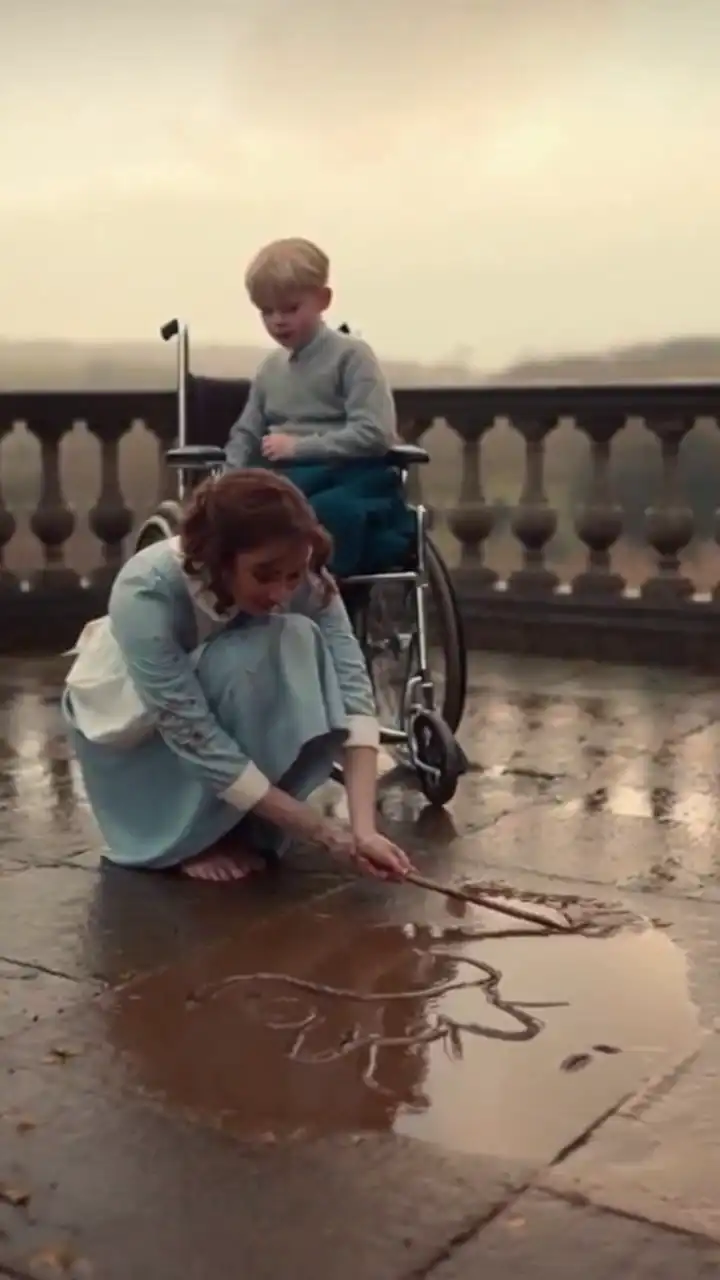
WHEN THE BILLIONAIRE’S SON DRAGGED HIS USELESS LEGS INTO THE MUD FOR THE FIRST TIME, HIS FATHER’S GIRLFRIEND SCREAMED FOR THE NANNY TO STOP
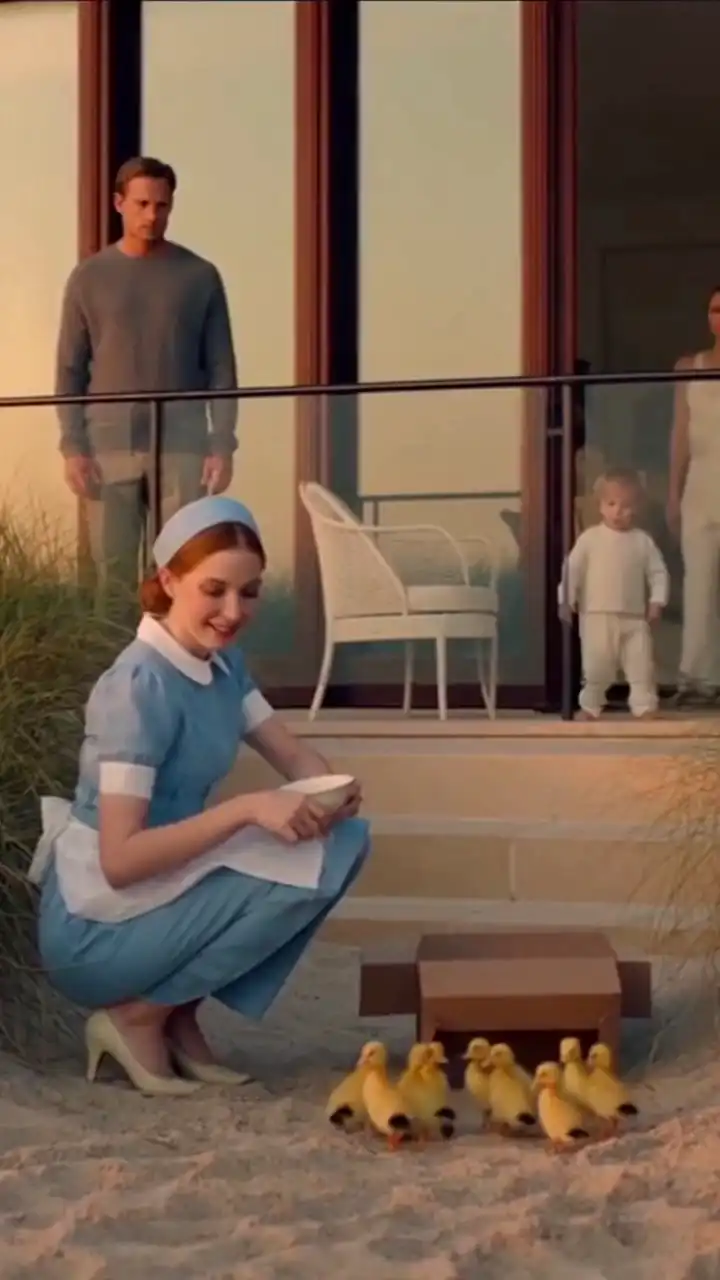
THE NANNY WHO BROUGHT DUCKS TO THE OCEAN HOUSE AND MADE A CHILD WALK TOWARD LIFE
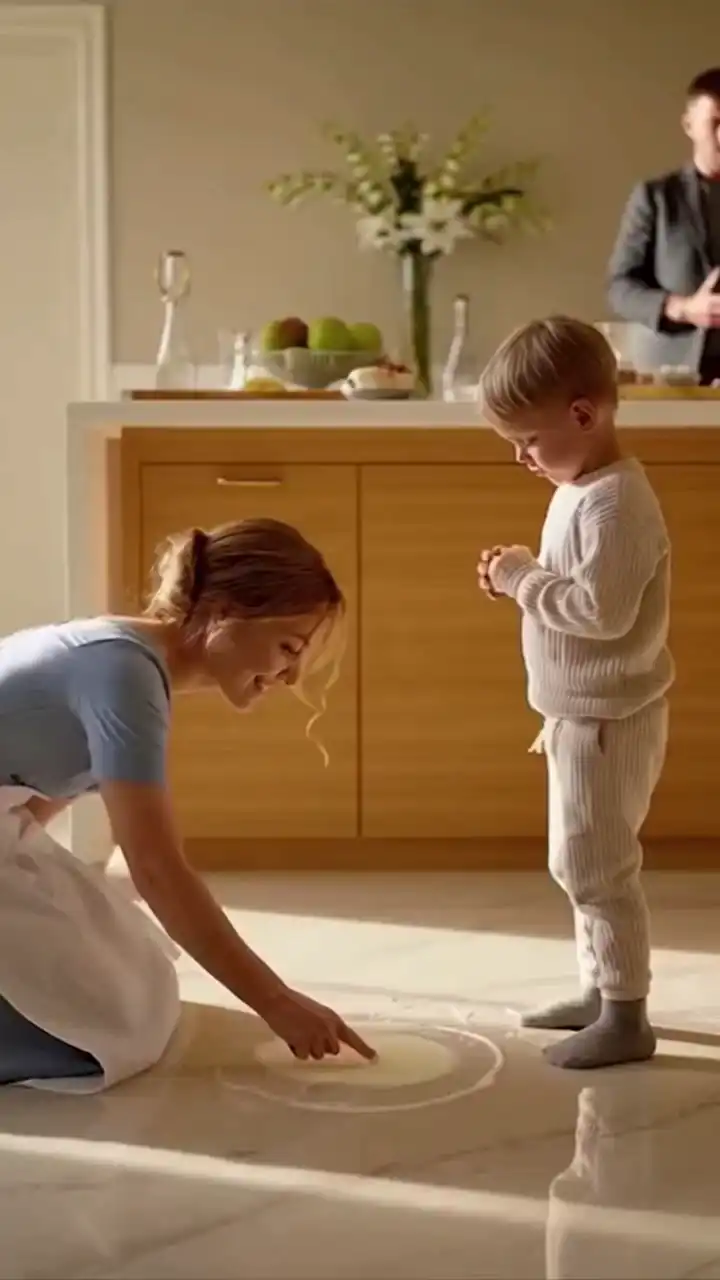
WHEN THE RICHEST MAN ON THE HILL HIRED THE WRONG NANNY, HIS SILENT SON CRAWLED ACROSS THE FLOOR FOR HER