
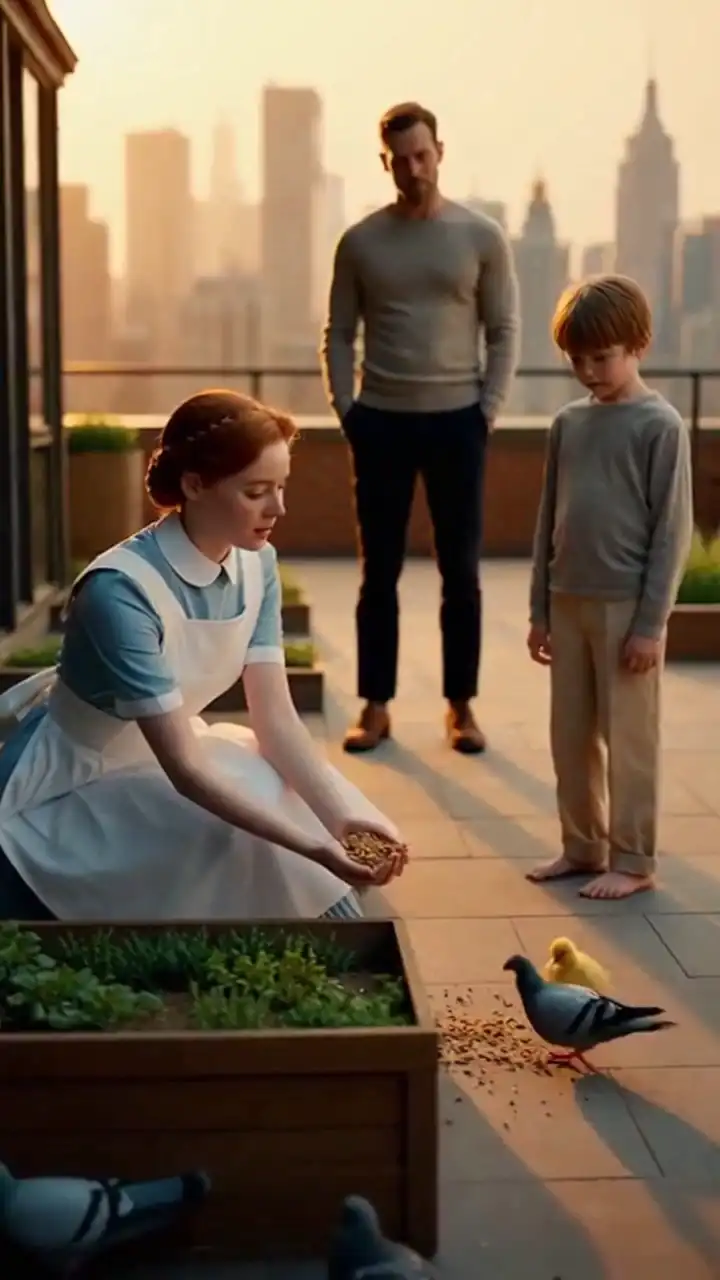
THE DAY THE SILENT BOY IN THE PENTHOUSE LAUGHED AT A DUCK AND CHANGED EVERYTHING
The phone kept vibrating in Ethan’s hand.
He stared at the screen: Dr. Mercer.
Residential Development Center Intake.
For three weeks, everyone around him had been pushing the same sentence with different wording. Noah needed a more specialized environment. More consistent intervention. A full-time team. Better equipment. Better protocols. Better odds.
A place that was not home.
On the terrace, Noah was still reaching.
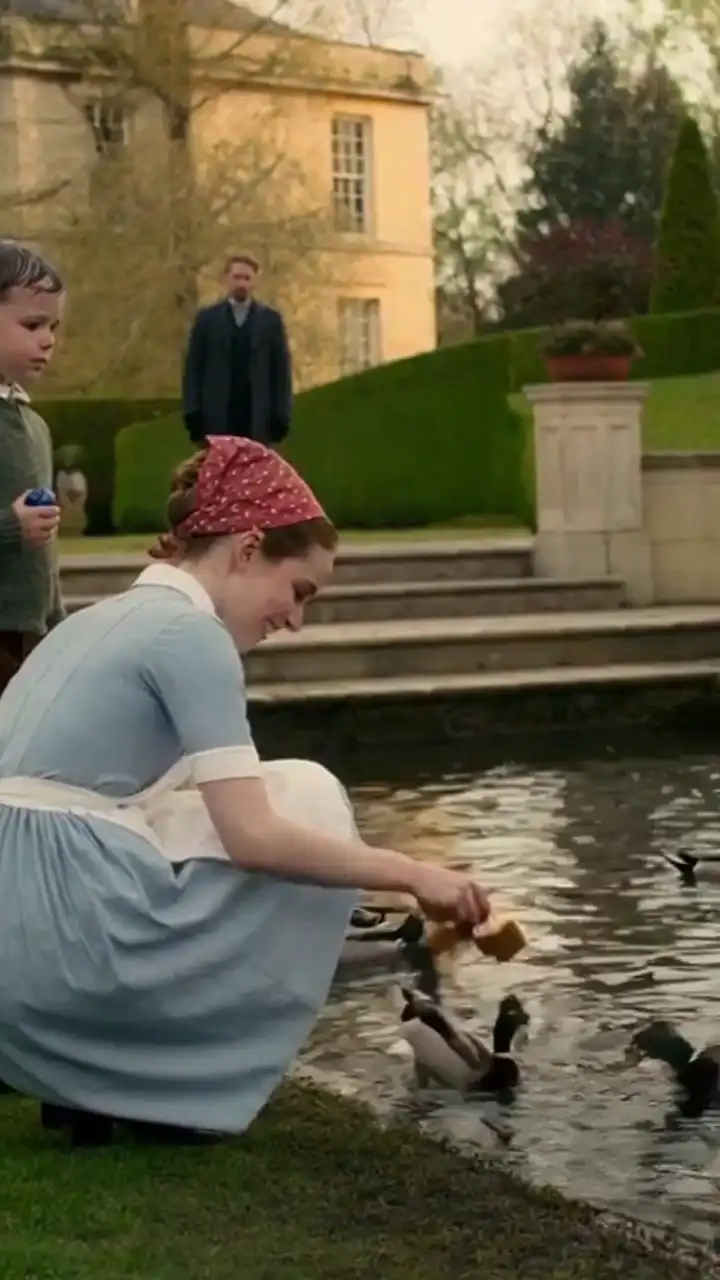
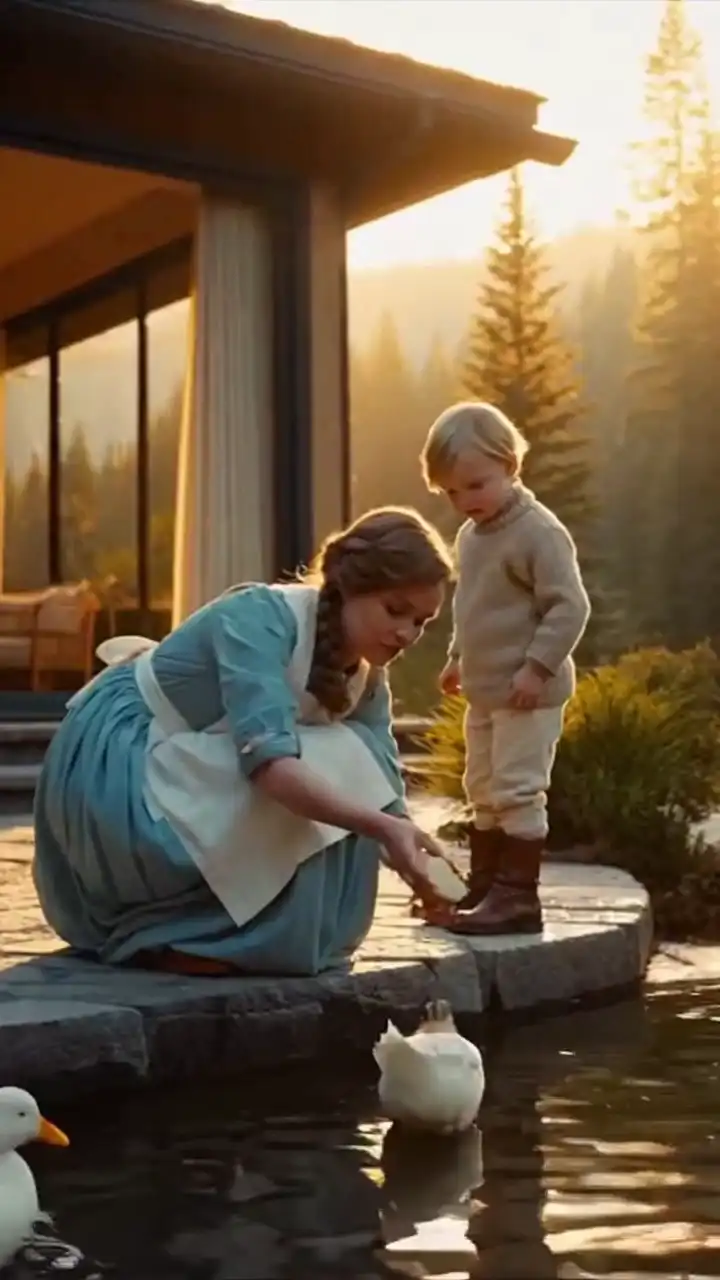
Lila didn’t shove the bread into his hand. She left her palm open and waited until his fingers decided for themselves. His hand landed clumsy and flat over hers. He took the crust, turned, and held it out to the duck with complete concentration, like the whole city had narrowed to one beak and one piece of bread.
The duck snatched it.
Noah jerked back.
Then he laughed again.
This time it came out louder, breathy and shocked, with a tiny hiccup at the end.
Ethan missed Dr. Mercer’s call.
Mrs. Hargrove recovered first. “This is completely unsanitary,” she said. “The terrace was just cleaned. Those birds carry disease.”
Lila finally looked at her. “So does loneliness,” she said, not even sharply. Just plainly.
Mrs. Hargrove stiffened like she’d been slapped.
Ethan should have stopped it. That was what he always did. Restore order. Defer to protocol. Keep the machine running.
Instead he silenced the phone and stood there in his expensive socks, watching his son squat down in front of a dirty rooftop duck like nothing in his entire career had ever taught him how to understand this moment.
Noah didn’t look back at his father. He didn’t need to. For once, he was somewhere.
Not trapped behind glass. Not floating past the room. Here.
Lila moved slowly, showing him more than telling him. A lettuce leaf. A crumble. A toss too close. A bird hopping in. Another flapping off. She let the rhythm build. No praise explosion. No adult panic. Just a simple chain of action and response.
Feed. Watch. Wait. Smile.
Noah followed every piece of it.
By the time the duck wandered off and the pigeons had cleaned the terrace tiles, Noah’s cheeks were pink from wind, and there was dirt on the knees of his little knit pants that cost more than the sneakers Lila wore.
Mrs. Hargrove looked offended by the dirt.
Ethan looked wrecked by it.
Lila rose, brushed her hands on her jeans, and only then spoke directly to Ethan. “He likes living things that answer back.”
It was such a simple sentence. Not a diagnosis. Not a framework. Not a strategy deck. Just the truth.
Ethan found his voice. “What are you trained in?”
“Nothing fancy,” she said. “Summer camp, community garden, after-school programs. A little time helping at my aunt’s rescue farm in Jersey. Kids who don’t want adults will sometimes risk a duck.”
Mrs. Hargrove made a sound of disapproval at the word duck, as if even saying it lowered the market value of the apartment.
Noah turned his head toward Lila’s voice.
That alone was enough to make Ethan say, “Stay through the day.”
Mrs. Hargrove blinked. “Mr. Cole, the intake consult—”
“Canceled,” Ethan said.
He said it before he had fully decided it, and maybe that was the first honest thing he had done in months.
Dr. Mercer called again. Ethan walked into his office and closed the door, but he could still see the terrace through the glass wall.
He watched Noah press both hands on the floor, push himself up, and follow Lila back inside.
Follow.
The doctor’s voice came smooth and careful through the speaker. “We’ve reviewed the file. Given the prolonged disengagement, the mutism markers, the delayed social reciprocity, we feel residential observation may help clarify next steps.”
Through the glass, Lila was crouched at Noah’s height in the kitchen doorway. She had found a bowl, filled it with water, and set torn spinach leaves to float like little boats. Noah stood there staring, then touched one.
“Mr. Cole?” the doctor asked.
Ethan looked at the scene in his own kitchen. “No,” he said. “Not today.”
He hung up and stayed where he was, one hand braced on his desk, while his whole clean, optimized plan quietly cracked.
The date was what made it worse.
Or better.
That day was Ava’s birthday.
Noah’s mother should have turned thirty-six.
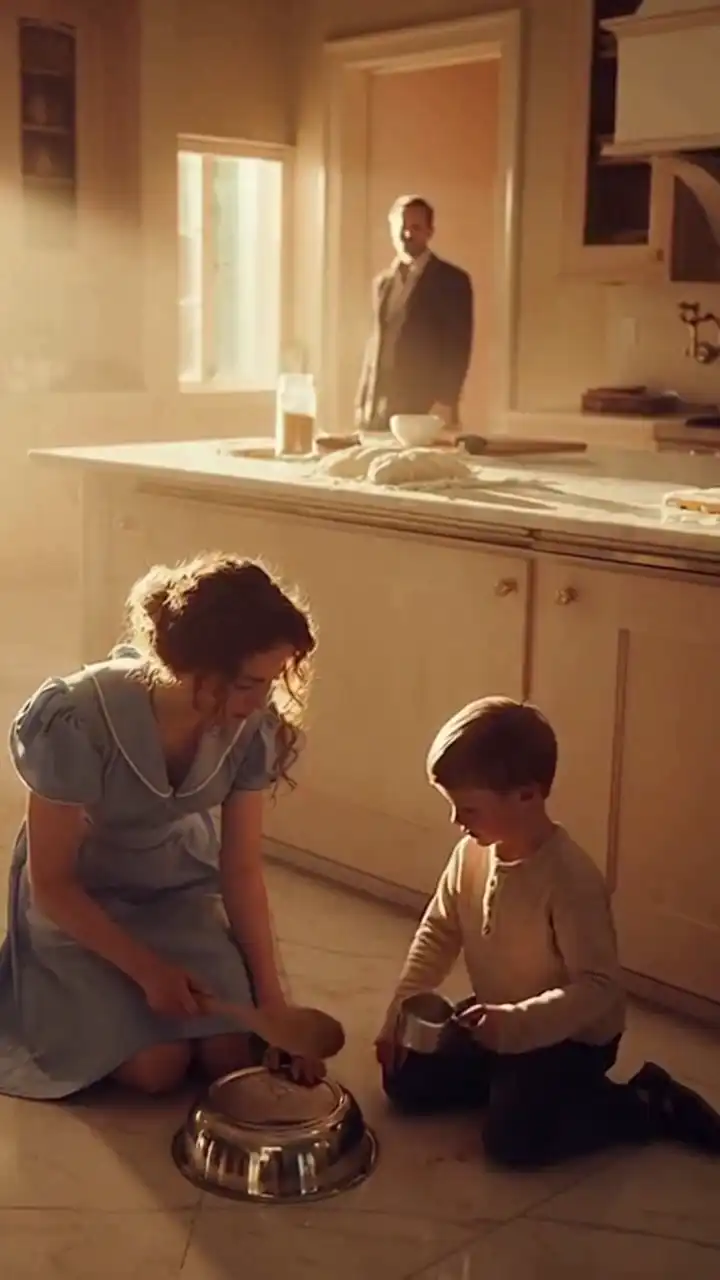
Every year before the accident, she had hated how carefully the penthouse was run. She would leave shoes in the wrong places, music on in the kitchen, flour on the marble, flowers shedding petals in glasses because she forgot vases. Ethan used to joke that he was running a software company while married to weather.
After she died on a rainy October afternoon in a tunnel pileup, he deleted unpredictability from the house like it was a virus.
No mess. No noise. No chaos. No risk.
No life, either, though he had not been brave enough to name that.
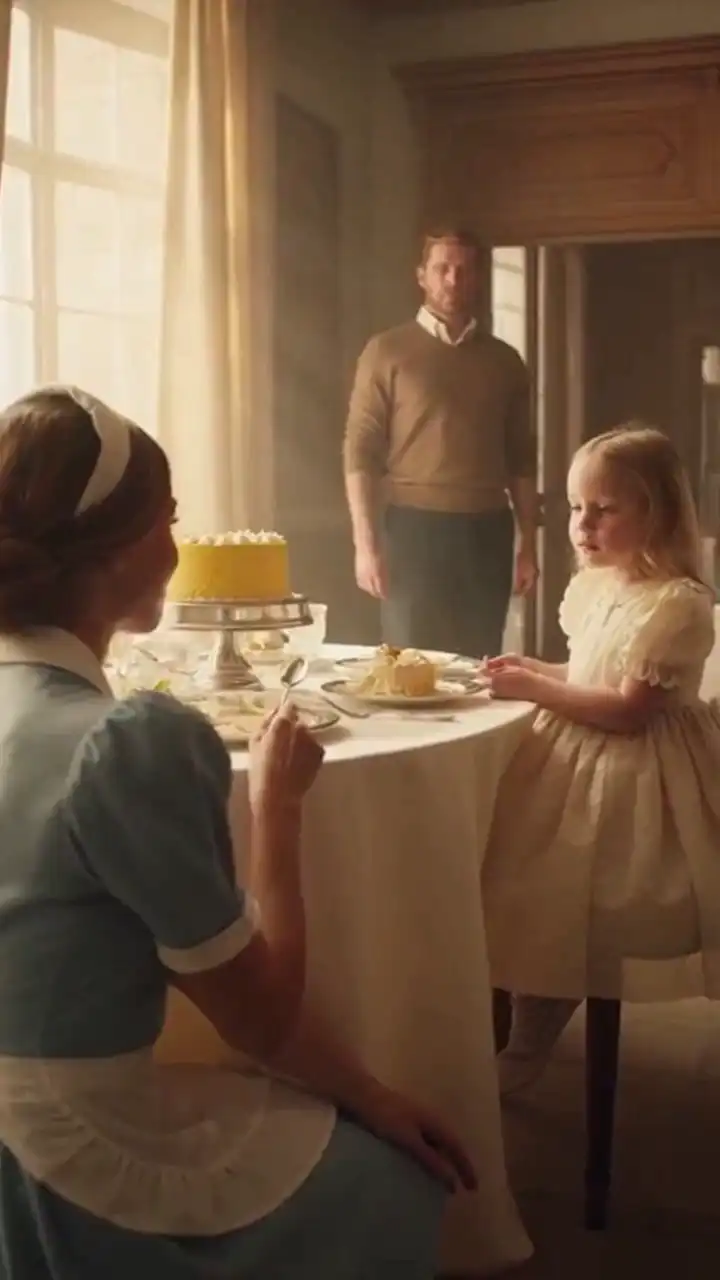
Lila had no idea it was Ava’s birthday until she found the untouched white box in the refrigerator: a small cake sent every year by Ava’s sister whether anyone asked for it or not.
“What is that?” she asked Mrs. Hargrove.
The house manager answered tightly, “It won’t be served.”
Lila looked from the cake box to Noah, who had gone still again near the island, his fingers opening and closing at his side.
“What happens if it is?” she asked.
“It upsets him,” Mrs. Hargrove said. “Any disruption to the routine can trigger withdrawal.”
Lila’s eyes moved around the kitchen. There was no routine here except avoidance.
She opened the cake box.
Vanilla. White frosting. Six tiny sugar daisies.
Mrs. Hargrove stepped forward. “Excuse me—”
“Did he ever get to watch someone celebrate anything without everyone acting scared?” Lila asked.
Noah had seen the color. His gaze fixed on the daisies.
Lila did not sing. She did not stage a therapeutic moment. She simply touched one frosting flower and said, “These are ridiculous. Nobody needs this many sugar petals.”
A tiny smile twitched at the corner of Noah’s mouth and disappeared so fast Ethan might have imagined it, if he had not just walked in and seen it.
Lila broke off one daisy and put it on a spoon. “For the fish,” she told Noah.
He looked confused.
“In the bowl,” she said.
She had carried in a pair of small feeder fish in a plastic container from the florist’s bucket. Cheap orange things meant for someone’s pond arrangement, forgotten by the service elevator. Mrs. Hargrove looked one second from resigning.
Lila dropped a crumb of cake near the water bowl, then laughed at herself. “Okay, not for fish. Terrible plan.”
Noah watched the fish dart anyway.
He laughed again. A clear one this time, sudden and bright.
It hit Ethan so hard he had to grip the back of a chair.
That was the sound the whole apartment had been waiting for without saying it out loud. Not speech. Not recovery. Not a miracle. Just pleasure. Surprise. A reason to stay in a moment instead of fleeing it.
By late afternoon Noah had done more in six hours than he had done in the previous month.
He followed Lila from the kitchen to the terrace and back.
He handed her spinach leaves.
He crouched by the fish container and tracked them with his finger.
He let the sleeve of her sweater brush his arm without flinching.
He still did not speak. He still drifted if the room got too crowded. But he returned. Again and again, he returned.
Lila never chased him when he drifted. She made life happen near him and let him approach it.
That, Ethan realized, was what none of the experts had done in this house.
They had all approached Noah as a problem to solve.
Lila acted like he was a person waiting for a reason.
The interruption came the next morning.
A black SUV pulled into the private garage with two people Ethan had not invited upstairs: Dr. Mercer in a navy coat and Noah’s maternal grandmother, Claire Bennett, wrapped in money and grief and certainty.
Claire had been one of the loudest voices pushing residential placement. She loved Noah, but she loved fear too. Fear made her feel responsible. Fear made her active.
“I came because you stopped answering,” she told Ethan in the foyer. “And because this cannot become one of your experiments.”
Ethan heard Noah in the breakfast room before he saw him: not words, but breathy little bursts of excitement.
Lila had lined the windowsill with shallow dishes of water and birdseed. Sparrows had discovered it. Noah stood on a chair, both hands on the glass, waiting for them to return between flights.
Claire stopped short. “What is this?”
“A windowsill,” Lila said.
Claire looked at the seeds, the dishes, the child on a chair, the nanny in a sweatshirt with flour on one sleeve from making flatbread in the pan. “This is exactly the kind of unstructured nonsense that confuses him.”
Noah heard her tone before he heard the words. His shoulders rose. His chin dropped.
Ethan saw it happen in real time: the closing.
Lila saw it too. She did not argue with Claire. She picked up a small bowl of oats and handed it toward Noah.
“Quick,” she said softly. “The bossy birds are back.”
One sparrow landed.
Noah hesitated.
Claire stepped closer. “He should not be balancing there. Ethan, please tell me this girl is temporary.”
Girl.
Not nanny. Not caregiver. Not by name. Just girl.
Lila kept her hand steady. “Noah.”
His fingers twitched.
Dr. Mercer moved into his professional voice. “Mr. Cole, short-term responsiveness can happen with novelty. It doesn’t indicate durable progress.”
Noah’s hand dropped.
The sparrow flew off.
The room went flat.
Claire exhaled like she had been proven right. “There. You see?”
Ethan looked at his son’s face and, for the first time, saw not fragility but effort. Noah had been trying. The adults kept stepping on it.
Something in Ethan, the part that had spent a year outsourcing fatherhood to systems, finally snapped in the useful direction.
“Everyone out,” he said.
Claire turned. “Excuse me?”
“Dr. Mercer, thank you for coming. We won’t be moving forward with placement right now. Claire, not another word in that tone around him.”
Silence.
Claire’s grief hardened. “His mother would never have wanted this circus.”
Ethan’s answer came before he polished it. “His mother would have opened the windows.”
That one landed.
Claire went white, then furious, then wounded. But she had no answer because she knew it was true.
Dr. Mercer tried one last time. “You’re making an emotional decision.”
“Yes,” Ethan said. “Because my son is not a software bug.”
He held the door.
They left.
The apartment stayed tense after they were gone, like a room after thunder. Noah had climbed down from the chair and retreated under the breakfast nook bench, knees tucked up, eyes lowered.
Ethan started toward him.
Lila touched his arm once. “Not with all that heat on you.”
He stopped.
“What do I do?”
“Sit on the floor,” she said. “Not near him. Just on the floor like you’re not the tallest problem in the room.”
It was absurd advice.
It was also better than anything he had paid twelve hundred dollars an hour to hear.
So Ethan sat on the hardwood floor in his dress shirt and slacks while Lila went to the kitchen and came back with a paper bag of stale crackers she had found in the pantry.
She crumbled a trail from the breakfast nook to the terrace door.
“Ants?” Ethan whispered.
“Pigeons if the door opens,” she whispered back.
Mrs. Hargrove, from a safe offended distance, looked personally betrayed by the cracker dust.
Lila cracked the terrace door. A gust came in. Two pigeons landed almost immediately, bold as thieves.
Noah’s eyes lifted.
One bird strutted straight toward the cracker line like it owned the penthouse.
Lila made a scandalized face. “Sir. Manners.”
Noah’s mouth twitched.
The second pigeon hopped onto Ethan’s shoe.
Ethan flinched hard.
Lila laughed.
And then Noah did too.
Not at the bird this time.
At his father.
It was a tiny, warm, unmistakable laugh aimed at another person.
Ethan stared at him, stunned and almost afraid to move.
Noah looked at Ethan’s shoe again, then at the pigeon, then back at his father’s face.
Connection.
Brief, fragile, real.
Ethan let out a breath that sounded too much like grief to be called anything else.
He stayed on the floor.
After that, the progress came unevenly, which made it believable.
Noah did not wake up transformed.
Some mornings he still sat by the glass and disappeared inside himself.
Some days he could follow Lila to the terrace but not into the kitchen.
Sometimes a sudden elevator bell or raised adult voice sent him back into stillness for an hour.
But now there were ways back.
Birdseed in a jar by the window.
Lettuce scraps for the duck that kept returning like a rude little tenant.
The two orange feeder fish moved into a proper tank in the sunny corner of the breakfast room.
Lila turned ordinary tasks into invitations. Washing berries became dropping one in water and watching it bob. Watering herbs became letting Noah hold the spray bottle. Folding dish towels became hiding toy birds under them and waiting for him to find the beaks.
It was never about tricks.
It was about response.
Touch this, and something happens. Offer this, and something comes closer. Wait, and the world answers.
One evening Ethan found Lila kneeling beside Noah at the low table with finger paints spread on butcher paper she had taped down over the expensive rug.
He should have hated it. The colors. The mess. The very visible threat to order.
Instead he watched Noah drag two fingers through yellow and blue until they mixed into green. He stared at the change like it was magic.
Lila dipped her fingertip in red and pressed one dot onto the page.
A bird’s eye.
Noah looked at it. Then he made another.
Then another.
When one of the dots smeared, he made a shocked face and let out a laugh so open it filled the room.
Paint streaked his hand. Then his sleeve. Then, inevitably, the rug.
Ethan heard Mrs. Hargrove inhale from the doorway like a Victorian widow.
He said, without turning, “Leave it.”
The house manager blinked. “The rug?”
“The paint. The birds. All of it.”
He finally looked back at her. “Leave it.”
That night Noah slept four straight hours in his own bed before waking, the longest stretch in months.
Two nights later, he slept six.
A week after Lila arrived, Ethan canceled the standing consultation circuit with three specialists and one educational placement consultant. Not forever. He was not foolish enough to believe joy cured everything. But he stopped letting strangers define the boy only by deficits before breakfast.
Instead he rearranged his schedule.
He moved meetings.
He stopped taking investor calls during dinner.
He learned where the birdseed was kept.
The first time he fed the sparrows without Lila there, Noah stood beside him at the window and leaned his shoulder, just lightly, against Ethan’s hip.
Ethan nearly ruined it by reacting.
He caught himself and stayed still.
Lila saw from the doorway and looked away on purpose, giving the moment privacy.
That was another thing she knew how to do. Not own what she started.
Claire did not apologize, but she sent a package a few days later: a small wooden birdhouse kit and a note with no greeting, just one line.
For the terrace, if he wants it.
It was not peace, exactly. But it was less war.
Ethan assembled the kit at the dining table while Noah watched. Lila handed over screws one at a time. Noah touched the smooth wood, then the tiny perch, then tapped twice on the roof once it was done.
They placed it near the terrace planters.
No bird used it that day.
Or the next.
But Noah checked every morning.
Hope, Ethan learned, was sometimes just returning to the same window without dread.
At the end of Lila’s second week, the agency finally called to confirm her file, references, payroll category, contract duration, all the neat boxes rich households liked.
Ethan stood in his office listening to terms while, through the glass wall, Noah and Lila were on the terrace crouched over a shallow dish where a pair of sparrows were bathing, flinging droplets everywhere. Noah was laughing every time one bird shoved the other.
The agency woman asked, “Would you like to classify her as temporary therapeutic support or domestic childcare staff?”
Ethan looked at Lila. Noah had one hand wrapped in the back of her sweater so she couldn’t stand up without him feeling it.
He answered carefully. “Neither. Keep the paperwork open.”
“Sir?”
“We don’t know yet,” he said.
And that was the truth.
He didn’t know what Lila would become in their lives.
He didn’t know if Noah would speak next month or next year.
He didn’t know whether this fragile progress would hold through winter, through grief anniversaries, through school questions, through the million setbacks waiting for any family, rich or not.
He only knew the apartment no longer felt like a waiting room for disaster.
That evening, rain started just before sunset, turning the terrace glass silver. The birds vanished. The duck did not come. The city blurred.
Noah stood by the window, restless, searching for movement that wasn’t there.
Lila took a spoon and tapped lightly on the fish tank. The orange fish scattered, then circled back.
Noah watched.
Then he looked at Ethan.
Not through him. At him.
He lifted the spoon from Lila’s hand and held it out.
Ethan took it slowly.
Together they tapped once against the glass of the tank. The fish turned in a bright flash.
Noah smiled.
Then he leaned against both of them at once, one small body making room for two adults in his quiet.
Outside, the rain kept falling over the city.
Inside, nothing was fixed enough to be called an ending.
But the birds would come back. The duck probably would too. The paint stain was still on the rug. The birdhouse was waiting. And in the breakfast room corner, under the soft tank light, a boy who had been unreachable was now watching, waiting, and sometimes laughing when life answered him back.
For that family, it was more than a moment.
It was a way forward.
Disclaimer: Mention of any brand or trademark is for identification only and does not imply partnership or endorsement
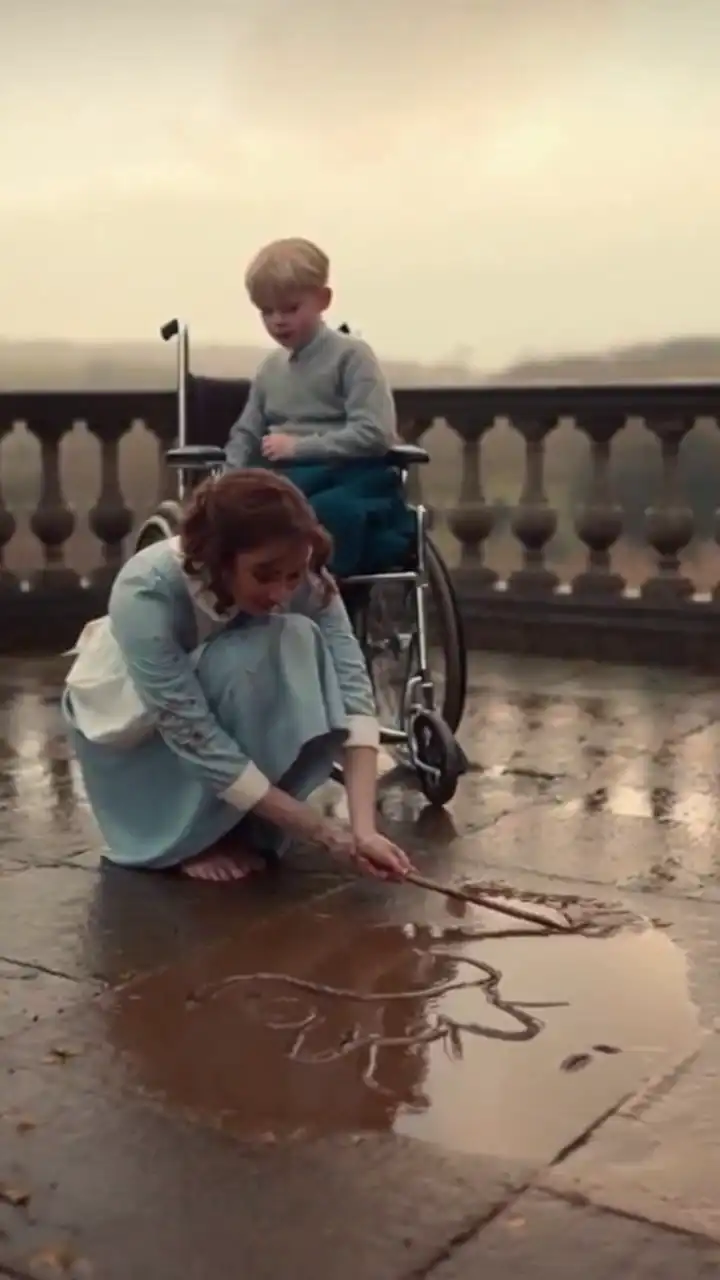
WHEN THE BILLIONAIRE’S SON DRAGGED HIS USELESS LEGS INTO THE MUD FOR THE FIRST TIME, HIS FATHER’S GIRLFRIEND SCREAMED FOR THE NANNY TO STOP
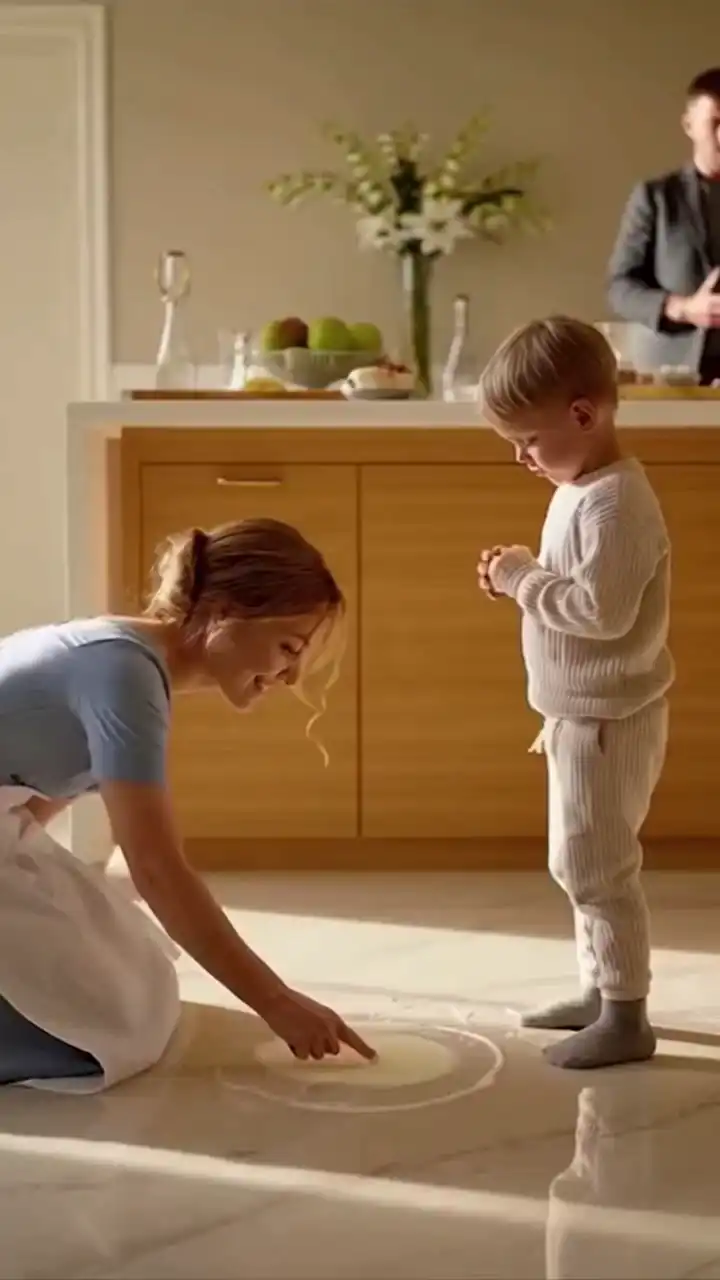
WHEN THE RICHEST MAN ON THE HILL HIRED THE WRONG NANNY, HIS SILENT SON CRAWLED ACROSS THE FLOOR FOR HER
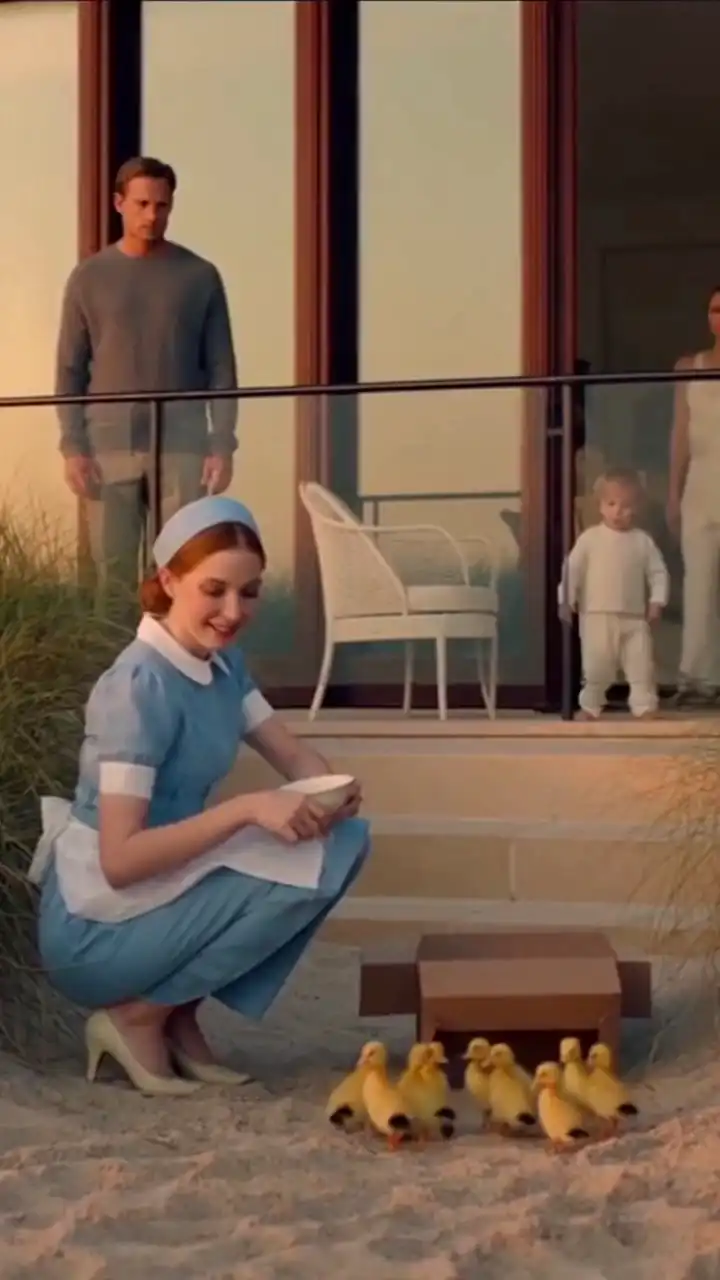
THE NANNY WHO BROUGHT DUCKS TO THE OCEAN HOUSE AND MADE A CHILD WALK TOWARD LIFE