
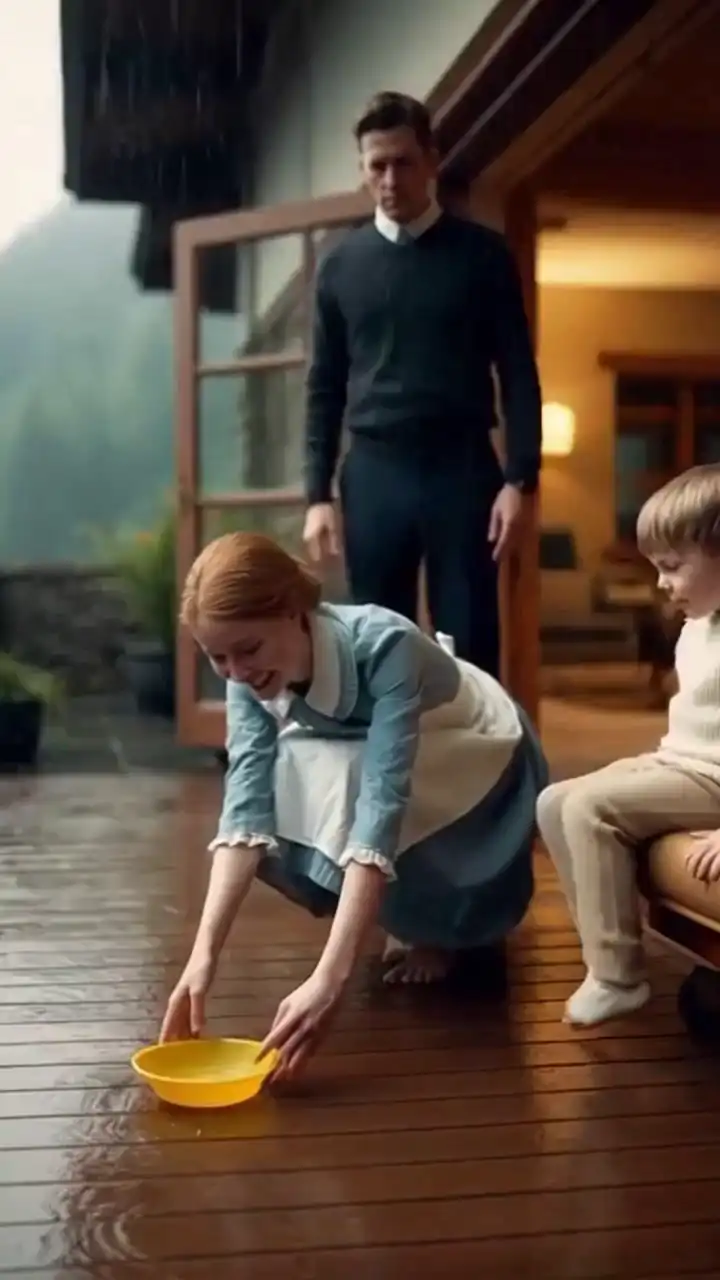
THE DAY THE RICH MAN’S SON STOOD UP IN THE RAIN FOR A NANNY HIS FATHER’S GIRLFRIEND WANTED GONE
He was on the stone threshold, both palms down, rain touching his wrists, when Vanessa reached for him.
Eli flinched so hard his shoulders locked.
Owen saw it and caught Vanessa’s arm before she got there.
“Don’t.”
She turned on him like he had slapped her. “He could crack his head open.”
“So could every kid who ever tries to move,” Marisol said from the rain.
Vanessa stared at her in disbelief. “You do not get to talk like that in this house.”
But Eli was still moving.
Not smoothly. Not bravely in the clean way people liked to talk about hard things. He was dragging himself inch by inch over wet stone, socks soaking through, knees slipping, breath coming in rough little pulls. His eyes never left the yellow bowl pinned against the terrace drain.
Owen wanted to rush in and lift him. Every muscle in his body was already leaning forward.
Then he saw something he hadn’t seen in almost a year.
Eli was angry.
Not shut down. Not emptied out. Angry.
His son wanted something badly enough to fight for it.
Marisol crouched lower in the rain, giving him space instead of help. “You’re almost there.”
Eli reached the bowl. His hand slapped over it. He held still for a second like he couldn’t believe he had it. Then he looked up.
Straight at Marisol.
It wasn’t a smile. It wasn’t a miracle movie moment. It was better. It was recognition.
She held out her hand but didn’t touch him. “Want another one?”
A tiny nod.
Vanessa actually laughed, cold and short. “Unbelievable.”
Owen ignored her. He walked to the doorway and knelt, close enough if Eli fell, far enough not to steal the moment. Rain hit his shirt. He didn’t move away.
Marisol took three kitchen measuring cups from her pocket like she’d planned a heist with discount plastic. She set them in the runoff one by one. Blue. Red. Green. Tiny boats in a mountain storm.
Eli’s fingers flexed over the yellow bowl.
Then he shifted his weight and lunged for the blue one.
He missed. Water pushed it farther away. He made a frustrated sound that would have scared the whole house a week earlier because nobody knew what to do with any feeling from him except stop it.
Marisol grinned. “Good. Chase it.”
And he did.
By the time the storm eased, Eli was drenched, trembling, mud-streaked at the knees, and so spent Owen had to carry him inside. But for once the heaviness in his son’s body wasn’t dead weight. It was exhaustion.
Real exhaustion.
The kind that comes after trying.
That night Eli fell asleep before the nurse finished changing him. No sedatives. No pacing. No hours of blank staring at the ceiling.
Owen stood beside the bed too long, watching his son’s face loosen in sleep.
Behind him, Vanessa said quietly, “If you keep that girl here, people are going to think you’ve lost control.”
Owen didn’t turn around. “Control isn’t helping him.”
“That’s exactly the problem,” she said.
He understood what she meant.
Vanessa had never been cruel in the obvious way. She was polished, generous in public, perfect at charity dinners, perfect at saying the right thing about grief and resilience. She had stepped into Owen’s life after the accident because everyone around him said Eli needed stability and Owen needed an adult who understood high-pressure worlds.
What she liked was order.
Low light. Clean schedules. approved therapists. beige blankets. behavior charts. the appearance of healing.
Marisol had been in the house one afternoon and already ruined all of it.
The next morning should have proved the rain was a fluke.
Instead, Eli refused breakfast from the cook, refused the physical therapist, and stared at the terrace doors until Marisol came in carrying a dented metal colander full of clementines from the pantry.
She didn’t ask him to eat. She rolled one across the floor.
It bumped softly against his foot.
Eli looked down.
She rolled another.
Then another.
Soon the silent, expensive sitting room looked ridiculous, full of runaway oranges and a nanny on the floor pretending not to notice she was losing every piece of fruit she had.
Eli leaned.
One orange rolled too far.
His hand shot out after it.
It was small, but Owen saw the pattern. Marisol kept creating reasons to move before fear had time to shut him down.
Not commands. Not tests. Reasons.
By the fourth day, she had turned the back kitchen into a place Eli wanted to be. Not because it was therapeutic. Because it was loud.
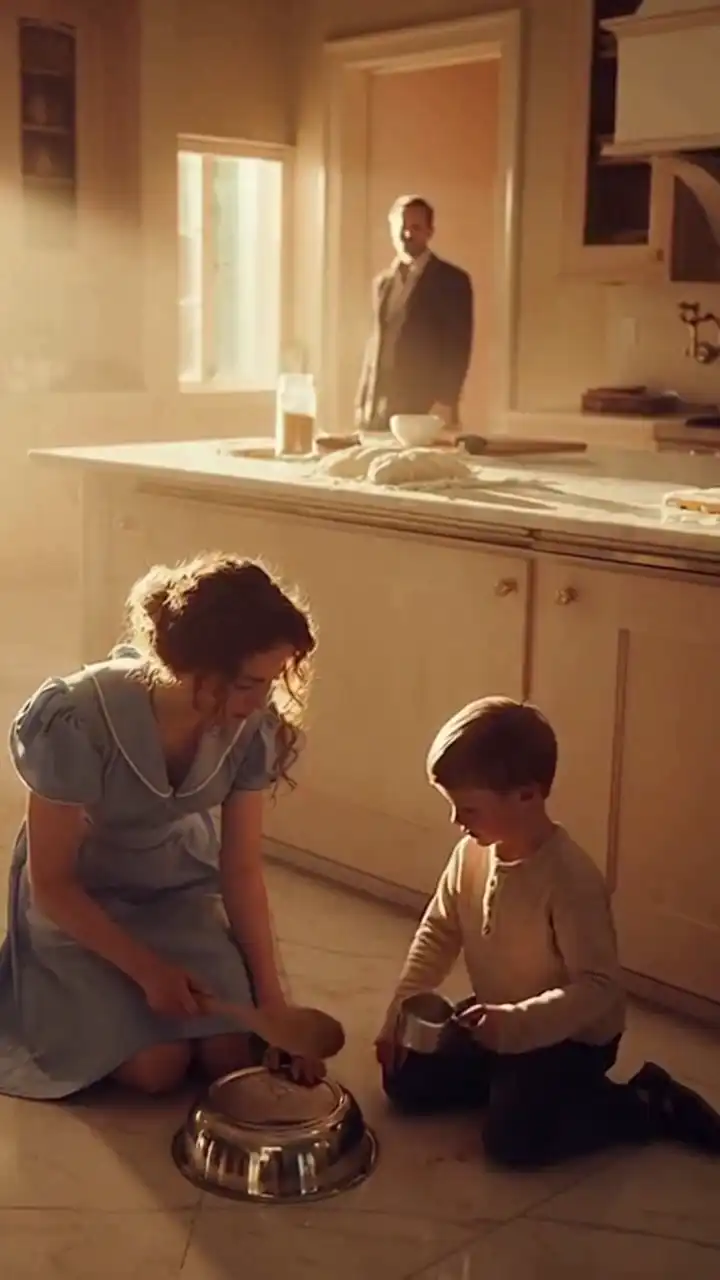
She ran the faucet too hard. She let spoons clatter. She kneaded bread with both fists and left flour all over the butcher-block island. She sang badly to old radio songs. She let Eli sit on a low stool by the table and press his hands into dough.
Every professional before her had tried to reduce sensation. Gentle tones. soft objects. carefully measured goals.
Marisol did the opposite.
She brought back ordinary life.
The first time Eli got flour on his shirt, Vanessa looked horrified.
“The fabric stains.”
Marisol glanced at the shirt, then at Eli’s fingers buried in dough. “He’s wearing it, not framing it.”
Vanessa went silent in the dangerous way rich people do when they’re deciding whether to complain or destroy.
Owen should have stepped in then.
He didn’t.
Because Eli was watching bread rise like it mattered.
Because the boy who wouldn’t cross a rug alone was now shifting from stool to counter edge if Marisol dropped a spoon “by accident.”
Because every little movement happened when no one made it sacred.
A week later, on the morning of the accident anniversary, the estate woke under hard gray rain.
Owen had planned to get through the day by controlling every minute. Private tutor canceled. No visitors. Curtains half-drawn. Eli’s favorite quiet music in the nursery suite. The doctor on call. Vanessa in cream cashmere, speaking in whispers as if silence itself were medicine.
By nine-thirty, Eli had gone rigid in his chair.
At ten, thunder rolled through the valley.
At ten-oh-two, he began that terrible freezing breath again, the one that made his whole chest stop and start like he was trapped behind invisible glass.
Vanessa said, “He needs his room. Right now.”
The nurse moved in.
Marisol stepped between them.
“No,” she said.
Vanessa looked stunned. “Excuse me?”
“He doesn’t need to be shut away on the day he lost her.”
Owen’s jaw tightened. “Marisol.”
She looked at him, and for the first time there was anger in her face. “Everyone in this house keeps helping him disappear.”
No one talked to Owen Hale that way. Not in boardrooms. Not at home. Not since his wife, Lena, died.
He almost fired her right there.
Then Eli made a small choking sound and his fingers clawed at the chair arms.
And Owen remembered the accident the way he always tried not to.
He had been on a call when the storm hit. Lena had gone down the mountain road alone with Eli after a school fundraiser because he had told her he’d meet them later. A truck lost control. Lena died before help reached them. Eli was pulled from the wreck soaked in rain, trapped beside his mother for nearly forty minutes.
Every storm after that was not weather to his son. It was the world ending again.
Owen had spent a year trying to protect him from the feeling.
Marisol was trying to lead him through it.
She crouched in front of Eli. “He hears the rain and remembers being stuck. So let him move.”
Vanessa cut in. “This is not a science experiment.”
“No,” Marisol said. “It’s a child.”
Then she did something that made all of them stare.
She dragged one of the long indoor planters beneath the covered section of the terrace where rain spilled from the roof in a steady silver sheet. She dumped out the decorative stones, shoved in loose potting soil from the garden cart outside, and let the rain turn it dark and rich.
Vanessa looked sick. “Absolutely not.”
Marisol ignored her. She set three toy trucks in the mud.
Then she put on a pair of Eli’s old rain boots and set them right in front of his chair.
“Your mom used to drive in storms,” she said softly. “So today these trucks drive in storms too.”
Owen stiffened. No therapist had ever dared mention Lena directly in front of Eli. They always circled the wound, terrified of making it worse.
Marisol didn’t circle.
She sat in the mud herself.
Rain soaked her hair flat. Dirt streaked her jeans. She pushed one truck through the mess and made a sputtering engine sound so stupid Owen almost barked out a shocked laugh.
Then she tipped the truck over.
“Oh no,” she said. “It’s stuck.”
Eli’s eyes locked on it.
Marisol righted it. Pushed again. Tipped again. “Still stuck.”
Eli’s breathing was fast now, but not frozen. His hands gripped the chair arms.
Marisol placed a second truck farther out where water ran over the soil. “This one needs backup.”
Then she knocked that one over too.
Vanessa moved toward Owen, voice low and furious. “If you let this continue, don’t expect me to stay and watch.”
For the first time, he answered without trying to keep the peace.
“Then don’t.”
She recoiled.
It wasn’t just the words. It was that he meant them.
On the terrace, Marisol dragged one boot closer with her foot. “Come help.”
Eli looked at the boot. At the mud. At the rain.
At the overturned truck.
His mouth opened. Closed. Opened again.
One leg moved first.
Slow. Shaking. Sliding off the footrest.
Then the other.
Owen didn’t breathe.
Eli planted both feet.
Marisol didn’t praise him. Didn’t gasp. Didn’t make it bigger than he could bear. She just pushed the truck one more helpless inch through the mud.
He made a sound.
“Go,” she whispered.
And Eli stood.
Not straight. Not long. But on his own.
Two seconds. Maybe three.
Long enough to step.
One boot. Then the other.
Mud splashed up his shins.
Vanessa covered her mouth.
Owen’s eyes burned so hard he had to blink.
Eli took another step, then another, half-falling into Marisol’s side as they both went down into the wet mess together. She laughed. He made a broken, startled noise—and then it turned into something else.
A laugh.
Raw from disuse. Small. But unmistakable.
Owen sank to one knee on the wet stone like his body had given out before his mind did.
Marisol looked up at him, rain dripping from her eyelashes, Eli clinging to her sleeve with one muddy hand.
That was the exact second Owen knew he had been wrong about almost everything.
Not because she fixed his son in one scene. She hadn’t.
But because she had understood the difference between safety and life.
Vanessa left before lunch.
Not in a dramatic storm-out with thrown glasses and speeches. In her world, exits were cleaner than that. She sent her assistant for her things, texted Owen that she “couldn’t align with the direction of the household,” and by evening her framed photo was gone from the library.
What she lost was not only the relationship.
She lost the right to define what belonged in that house.
After that day, the changes came in layers.
Eli did not wake up cured. He still froze during sudden thunder. He still needed help on stairs. Some mornings his body remembered fear before his mind was fully awake.
But now there were paths to him.
Rain boots by the door. Bread dough on Tuesdays. A basket of cheap plastic cups for water races down the terrace drains. Bubble solution in the back kitchen, because he would take three determined steps to chase a floating cluster if Marisol blew them toward the herb garden. A low shelf in the mudroom where he learned to sit, tug off wet socks, and put them in the hamper himself.
Life entered the estate one ordinary habit at a time.
The house staff changed too. The cook started teaching Eli to wash strawberries. The groundskeeper built a shallow rain channel beside the greenhouse just for “boat testing.” Even the physical therapist stopped treating every session like a clinical exam and began using games Marisol invented out of towels, wooden spoons, and puddles.
Owen watched all of it with the uneasy shame of a man seeing his own failure in high definition.
He had loved his son. He had also outsourced him.
He had mistaken expensive management for presence.
One evening he found Marisol at the kitchen table after Eli was asleep, filling out a transfer form on her phone and then deleting it.
“What school?” he asked.
She nearly hid the screen. “Just community college stuff.”
He sat across from her. “You paused because of your family?”
She nodded. “My uncle got sick last year. Then money got tight. This job helps.”
It landed harder than he expected. She had walked into his home carrying more life than all his paid experts, and she was doing it while her own future sat half-abandoned on a cracked phone screen.
“What were you studying?”
“Early childhood development.” She gave a small shrug. “And occupational therapy prereqs, maybe. If I ever got that far.”
He looked toward the hallway where Eli slept upstairs, one pair of muddy boots now permanently by the back door.
“You already got far.”
She smiled a little, tired. “That doesn’t pay tuition.”
Two months later, Eli crossed the greenhouse path in light rain without being carried.
Not for a test. Not because anyone told him to.
Because Marisol had set bubbles drifting ahead of him and he wanted to pop them before they hit the tomato vines.
Owen watched from the porch as his son, in a yellow raincoat, took one careful step after another over damp stone. When Eli reached the last bubble, he turned, beaming with wet hair stuck to his forehead, and lifted both hands like he had conquered a mountain.
Owen cried then. Fully. No hiding it.
That night he asked Marisol to meet him in the study.
She came in looking worried, probably expecting some formal boundary speech from a rich employer who had finally decided things had gotten too personal.
Instead, he slid a folder across the desk.
Inside was a tuition agreement, housing stipend, transportation allowance, and a flexible employment contract built around her returning to school.
She stared at the numbers, then at him. “This has to be a mistake.”
“It’s not.”
“I can’t take charity.”
“It isn’t charity.”
He had spent weeks making sure the offer was structured cleanly, legally, respectfully. Not a gift tossed down from a higher floor. An investment with her name on it.
“You changed my son’s life,” he said. “Not by serving this family. By bringing something into it we didn’t know how to make on our own. If you want the degree, you get the degree.”
Her eyes filled before she could stop them. “And Eli?”
Owen exhaled. “If you’re willing, we build the schedule around keeping you in his life.”
She looked down at the papers again, then laughed once under her breath in disbelief. “My uncle is going to think I robbed a bank.”
“No,” Owen said. “He’ll think you walked into the right storm.”
The next Saturday, with clouds hanging low over the mountain, the estate hosted a small fundraiser Lena Hale used to run every fall for families with children in rehab programs. Owen had canceled it the year before. This year, he brought it back.
Guests expected a careful memorial.
What they got was Eli in rain boots beside a long outdoor table, dropping homemade paper boats into a clear water channel by the garden while Marisol helped other children make theirs. The boy who once sat motionless through entire afternoons now insisted on demonstrating which side of the channel made boats move faster.
When one boat stuck against a stone, Eli took four quick steps and freed it himself.
The people around him went quiet.
Owen didn’t use the moment for a speech about miracles. He simply told the truth.
“This program is being relaunched,” he said, “and the first scholarship in my wife’s name will support early childhood and trauma-informed mobility training.”
Then he looked at Marisol.
“She’ll be the first recipient.”
There was a ripple through the crowd. Surprise. Approval. A little discomfort from the kind of people who were fine praising care but less comfortable when care changed someone’s place in the world.
Good.
Marisol stood frozen for half a second, hands wet from the boat channel, face flushed.
Then Eli tugged at her sleeve and said the clearest words Owen had heard from him in over a year.
“Go, Mari.”
People cried at that. Openly.
Because his first real sentence in public wasn’t polished or ceremonial. It was a child pushing the person he trusted toward a future.
Marisol did go.
She went back to school that winter with Owen’s funding, a stronger title, and a place in the house no one called temporary anymore.
Not as a servant hidden behind the family’s life.
As part of the reason it had one.
And when spring rain hit the mountain again, Eli no longer shut down at the sound.
He pulled on his boots, looked for Marisol, and headed for the terrace before anyone else could open the door.
Disclaimer: Mention of any brand or trademark is for identification only and does not imply partnership or endorsement
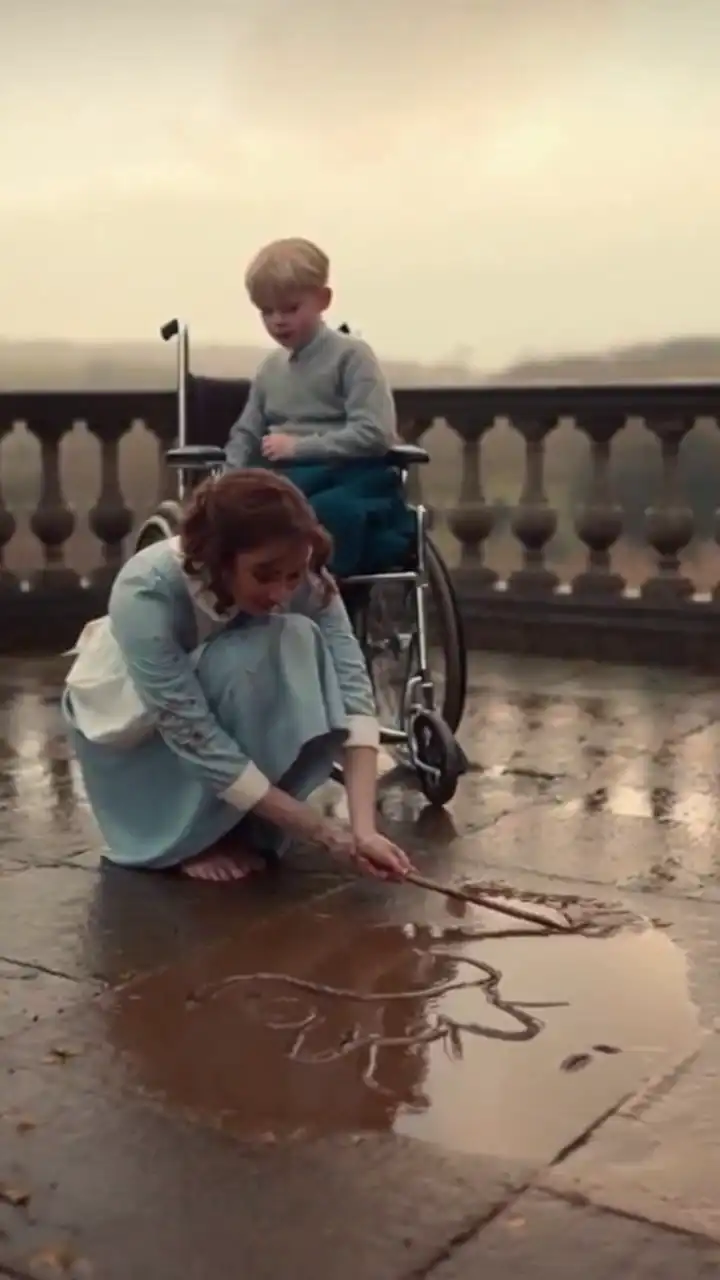
WHEN THE BILLIONAIRE’S SON DRAGGED HIS USELESS LEGS INTO THE MUD FOR THE FIRST TIME, HIS FATHER’S GIRLFRIEND SCREAMED FOR THE NANNY TO STOP
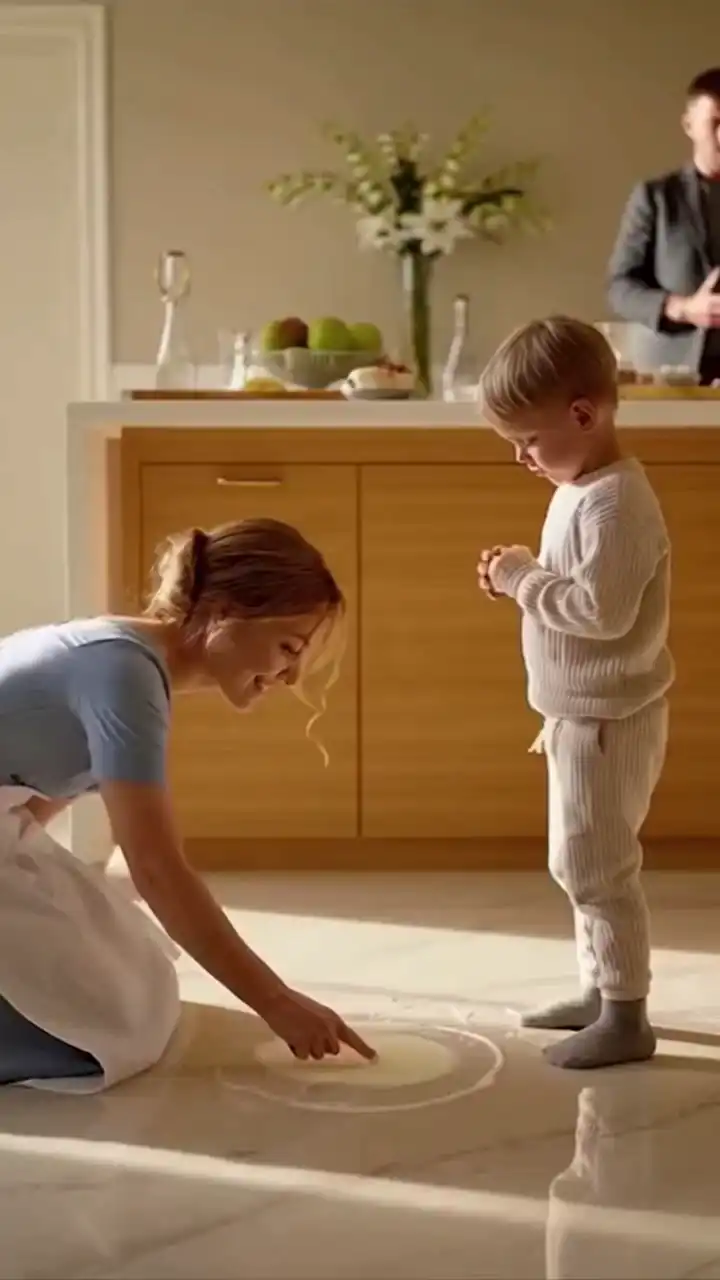
WHEN THE RICHEST MAN ON THE HILL HIRED THE WRONG NANNY, HIS SILENT SON CRAWLED ACROSS THE FLOOR FOR HER
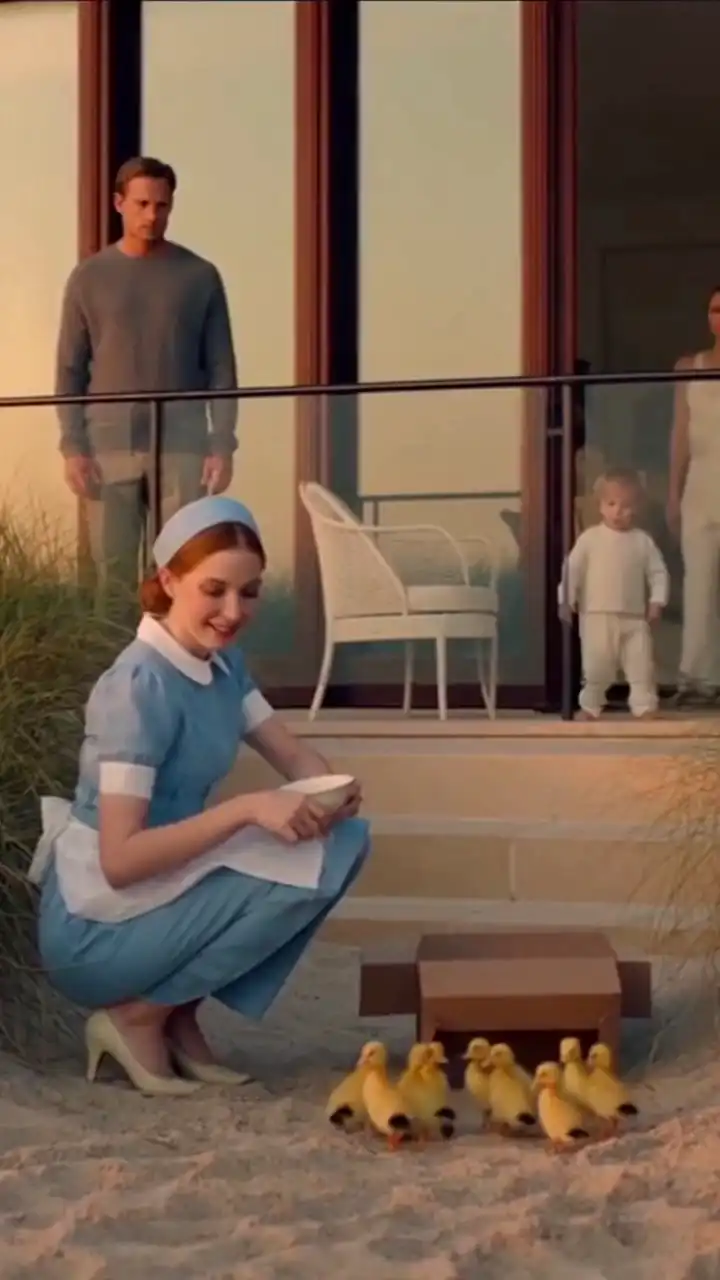
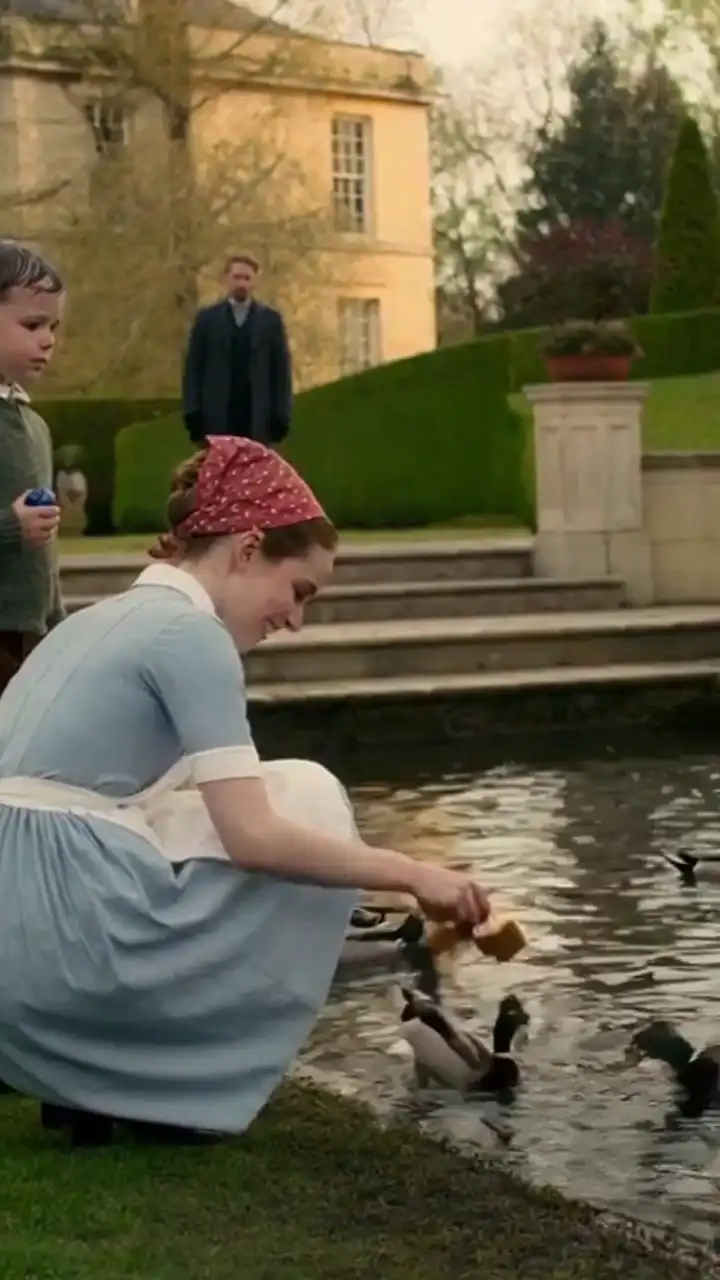
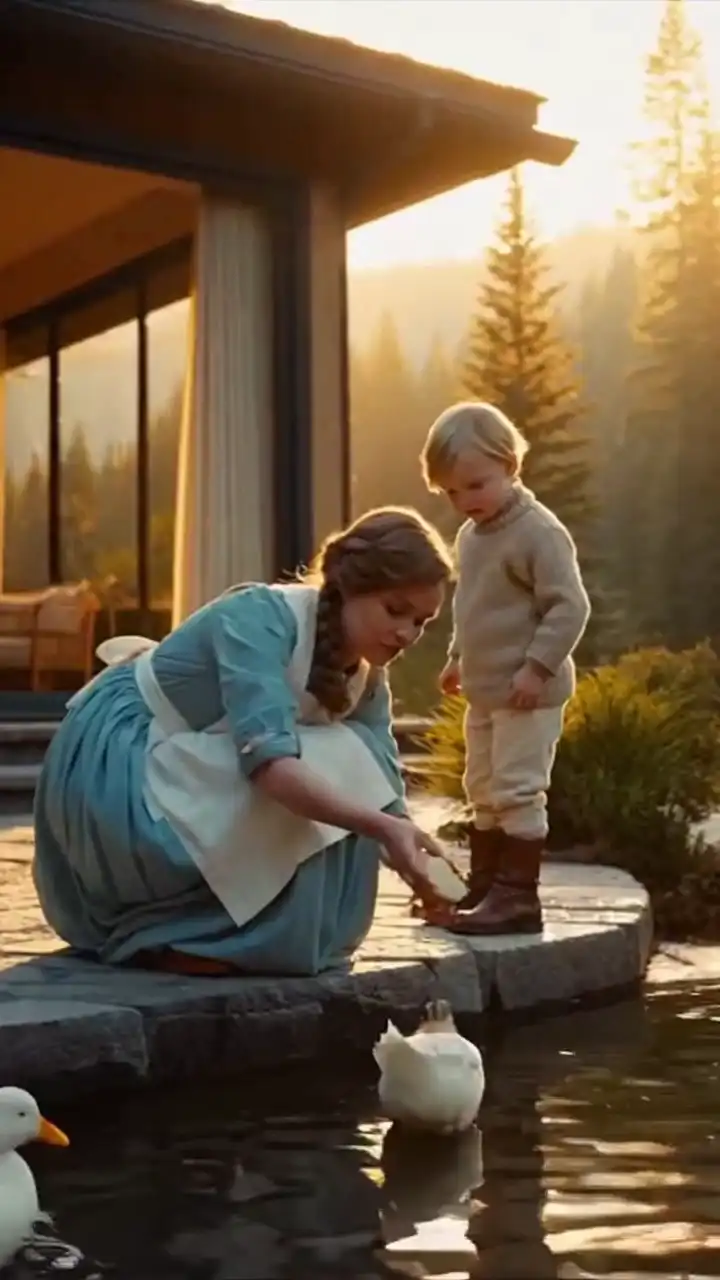
THE NANNY WHO BROUGHT DUCKS TO THE OCEAN HOUSE AND MADE A CHILD WALK TOWARD LIFE